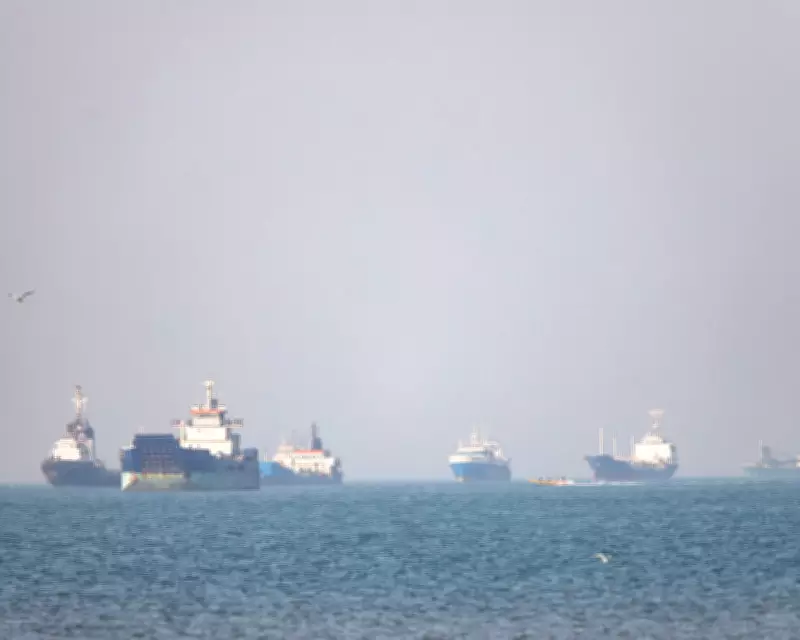
The fragile ceasefire between the United States and Iran is at serious risk of collapse after an exchange of fire in the strategically vital Strait of Hormuz, raising fears of a broader regional conflict and potential disruption to global oil supplies.
Incident Details
According to reports, the incident occurred when Iranian fast-attack boats approached a US Navy vessel in the strait, leading to warning shots and a brief exchange of fire. No casualties have been reported, but tensions have escalated dramatically.
The Strait of Hormuz is a critical chokepoint for global oil shipments, with about a fifth of the world's petroleum passing through it. Any sustained disruption could send oil prices soaring and destabilize energy markets.

Ceasefire Background
The ceasefire, brokered earlier this year, had brought a temporary halt to hostilities that included drone strikes and naval confrontations. It was seen as a rare diplomatic achievement in the long-standing US-Iran conflict.
However, both sides have accused each other of violations. Iran claims the US vessel was in its territorial waters, while the US asserts it was conducting routine operations in international waters.
International Reaction
The United Nations has called for restraint, urging both parties to return to the negotiating table. The European Union has offered to mediate, while regional powers like Saudi Arabia and the UAE have expressed deep concern.
Oil markets reacted swiftly, with crude prices jumping by more than 5% on the news. Analysts warn that a full-blown conflict could push prices above $100 per barrel.
Strategic Implications
The incident underscores the volatility of the region and the fragility of the ceasefire. Experts suggest that the confrontation may have been intended by hardliners on either side to undermine diplomatic efforts.
Both nations have significant military assets in the region. The US maintains a naval presence in the Gulf, while Iran has invested in anti-ship missiles and fast-attack boats designed to swarm larger vessels.
Next Steps
Diplomatic channels remain open, but the window for de-escalation is narrowing. The US has demanded an apology from Iran, while Tehran insists on an investigation into the incident.
For now, the world watches anxiously as the two powers navigate this dangerous standoff, with the stability of the global energy market hanging in the balance.