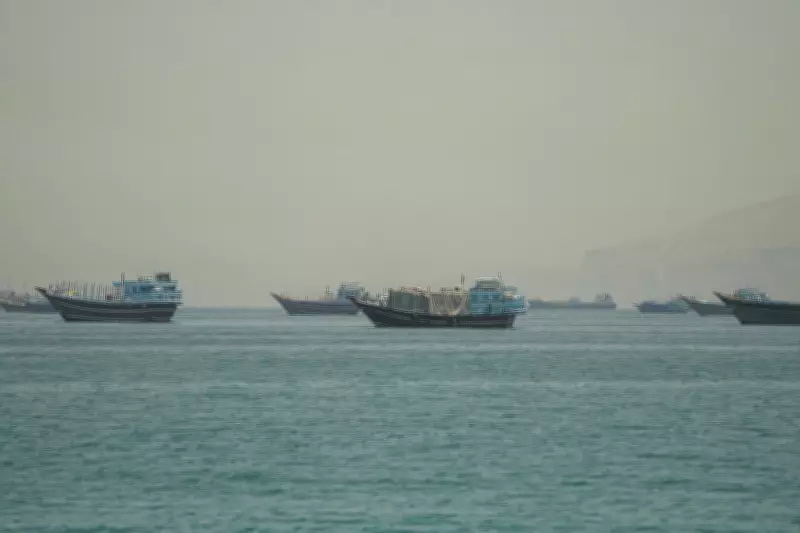
US Secretary of State Marco Rubio has stated that a 'pretty solid' draft agreement is on the table with Iran to end the ongoing war and reopen the Strait of Hormuz. Rubio emphasised that the United States will either secure a good deal or pursue 'another way' if diplomacy fails.
Oil Prices and Markets React
Optimism surrounding a potential US-Iran peace deal led to oil prices hitting two-week lows, dropping below $100 per barrel. European stock markets opened at their highest levels in over two months, buoyed by hopes of a resolution to the conflict that has disrupted global energy supplies.
Iran's Preconditions
Iran is demanding the immediate release of $12 billion in frozen assets held in Qatar as a strict precondition for advancing initial stages of the peace agreement. This demand has become a key sticking point in negotiations.

US Political Dynamics
US President Donald Trump has shown a fluctuating stance on the deal. Initially, he suggested a breakthrough was close, but later played down hopes, reportedly due to strong pushback from Republicans concerned about the terms of the agreement.
Key Provisions of the Draft
A senior Trump administration official outlined that Iran has agreed 'in principle' to open the Strait of Hormuz and dispose of its highly enriched uranium. In exchange, the US would lift its naval blockade. A 60-day period is envisioned for finalising the agreement.
The draft deal represents a significant diplomatic effort to de-escalate tensions in the Middle East and stabilise global oil markets. However, challenges remain, including internal political opposition and the need for both sides to adhere to the proposed timeline.