US Military Blamed for Deadly Strike on Iranian Girls' School
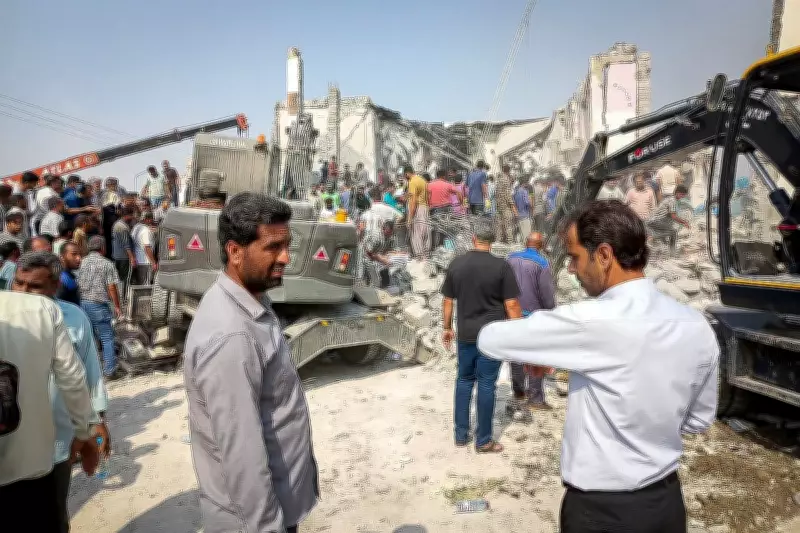
A preliminary inquiry has reportedly determined that the United States military was responsible for a devastating missile strike on a girls' elementary school in Iran that claimed at least 175 lives. The attack on the Shajareh Tayyebeh school in Minab, which occurred on February 28 during a joint US-Israeli bombing campaign, has been condemned by UNESCO as a "grave violation of humanitarian law."
Details of the Attack and Investigation Findings
According to Iranian authorities and reports from the New York Times, the school was struck by a Tomahawk missile on the first day of military operations in the region. The educational facility, located just 200 feet from an Islamic Revolutionary Guard Corps naval base, was reportedly filled with students at the time of impact, as the attack occurred during Iran's regular school week.
Satellite imagery shows both the school and nearby military buildings reduced to rubble, with social media footage revealing remnants of school books scattered among the debris. The death toll has steadily risen from initial reports of five fatalities to the current count of 175 victims, with many more injured.

The preliminary investigation, as reported by the New York Times on March 11, suggests that US Central Command officers used outdated data from the Defense Intelligence Agency when creating target coordinates for the strike. Military analysts reviewing satellite imagery, video footage, and social media evidence believe the school was hit by a precision strike, possibly multiple times.
Conflicting Responses from US Officials
The US response to the incident has been marked by contradictory statements from different administration officials. While US Central Command spokesman Tim Hawkins initially stated that reports were being taken seriously and emphasized civilian protection, White House press secretary Karoline Leavitt later told reporters "Not that we know of" when asked about US responsibility for the deaths.
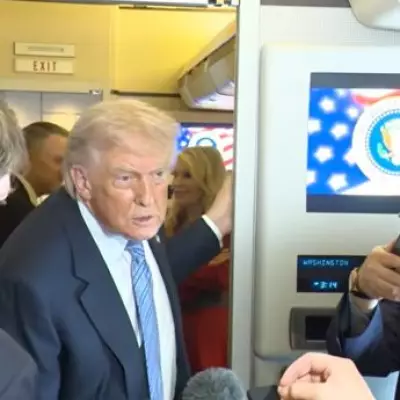
Secretary of Defense Pete Hegseth acknowledged an ongoing investigation but stopped short of denying US involvement, stating only that the military does not target civilians. Meanwhile, President Donald Trump has repeatedly blamed Iran for the attack, suggesting other countries also possess Tomahawk missiles.
International Reactions and Condemnations
UNESCO has issued a strong condemnation of the attack, emphasizing that "the killing of pupils in a place dedicated to learning constitutes a grave violation of the protection afforded to schools under international humanitarian law." The organization called on all parties to protect educational institutions in accordance with United Nations Security Council Resolution 2601.
Iranian President Masoud Pezeshkian expressed condolences to the victims' families, calling the attack "a savage act" that "adds another black page to the record of countless crimes by the aggressors." Foreign Minister Abbas Araghchi vowed that "these crimes against the Iranian People will not go unanswered."
Israeli officials have denied involvement in the specific school attack, with the Israeli military stating it was "not aware" of the incident and an Israeli government source telling CBS News that their military was not operating near the school location.
Ongoing Investigation and Unanswered Questions
Despite the preliminary findings pointing toward US responsibility, officials stress that the investigation remains ongoing with unanswered questions. The White House has emphasized that the New York Times report acknowledges the preliminary nature of the findings, while military analysts continue to examine whether Pentagon AI-driven targeting systems or human error in checking target maps may have contributed to the tragedy.
The incident represents what is feared to be the single deadliest attack in the ongoing conflict, raising serious questions about targeting procedures and civilian protection in military operations.