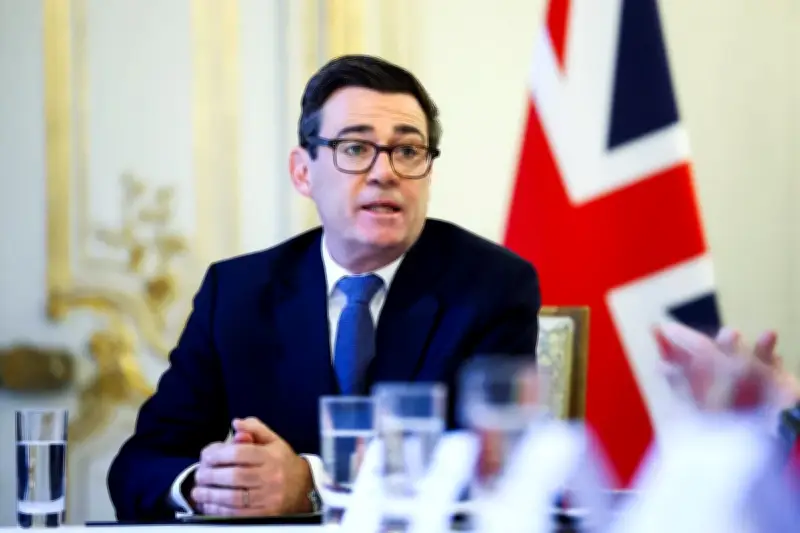
A dispute over tuition fees for European Union students threatens to derail Andy Burnham's agreement with Brussels, even as the Prime Minister insists the deal is complete.
Mr Burnham is in Brussels to finalise agreements covering food and agriculture exports, emissions trading and a youth mobility scheme that could allow 100,000 young Europeans to work temporarily in the UK. He described the deal as "good for working people, good for Britain and good for Europe", claiming it would boost the economy by adding 0.5% to gross domestic product (GDP).
Fee demands block progress
However, EU demands to cut fees for students from member states studying in the UK to the same level as domestic undergraduates could prevent the deal from taking effect. That would mean reducing fees from up to £38,000 a year to £9,970, a move the UK has resisted because of the financial impact on universities.
A six-month deadline has been placed on talks to reach an agreement on fees, with the possibility that other parts of the deal might not be implemented until a solution is found. An EU official said the agreements would have to "come into force in a balanced way", adding: "I think this is an important element, so let's hope that everything can go ahead."
UK insists deal is done
Despite the row, the UK maintains the deal is concluded and that dates for implementation would be set out in a joint statement from both sides. A Government spokesman said: "The deal is done – negotiations have concluded. Now, both sides will work towards implementation of the youth mobility scheme, the SPS (sanitary and phytosanitary) deal and the emissions trading scheme."
The spokesman added that both sides have agreed when these measures will come into force, with dates detailed in the joint statement to be published in due course. "As with all international agreements, there is a legal process in each respective country which will now take place," he said. "Talks will continue on some areas – these will be set out in the joint statement later."
Economic and political reaction
Ahead of talks with European Commission president Ursula von der Leyen and European Council president Antonio Costa, Mr Burnham said the test for the summit is whether it makes life better for people in Britain. "That is what I will deliver in Brussels today – cutting costs, keeping prices down in the supermarkets and creating opportunities for young people," he said.
The UK Government claims the food and agriculture deal will add up to £5.1 billion a year to the economy by cutting red tape, removing the need for certificates and border checks on products crossing between the UK and EU. Officials also claimed linking the emissions trading regime, which protects British exporters from a carbon tax when supplying EU customers, could add a £3.8 billion annual boost.
At a meeting with business leaders in Brussels, Mr Burnham said: "Treasury analysis out today is saying that now it's clear up to 0.5% on GDP as a result of the deal. The single biggest growth intervention in this Parliament."
Reform UK leader Nigel Farage accused Mr Burnham of "betrayal", saying: "I'm afraid that the great Brexit debate has just started again. We don't need to be in political union of any kind at all to do business and have good relations with our neighbours." He acknowledged the agricultural standards deal would make things "a little bit easier" for food exporters, but said it comes at the cost of giving up control over regulation. He told BBC Radio 4's Today: "The Labour Party was elected saying they would not rejoin the single market. Well, today we're rejoining a chunk of it."
The food and agriculture deal, aimed at ending post-Brexit export checks, would see Britain align with the EU on trade rules for SPS goods, such as food and plants, from March 2028. The Conservatives accused the Government of preparing to "sell out" British farmers, with shadow environment secretary Victoria Atkins saying: "They are forcing farmers to follow rules over which we have no say, no vote, and no veto, that benefit highly subsidised foreign farmers, and taxpayers are going to end up paying for the privilege."
Other expected commitments from the Brussels talks include irregular migration, economic security covering issues such as supply chains, and a new digital partnership between the UK and EU. Mr Burnham said agreement on a "Channel action plan" to help tackle small boat crossings would be a "really big deal".
The Prime Minister is preparing to open a national conversation about the UK's future relationship with the bloc, which could potentially include seeking to regain full membership. He said he would start a discussion with Brussels about options after the summit, then set them out later this year. Any major changes will have to wait until after a general election because Mr Burnham has committed to sticking to the 2024 Labour manifesto's red lines, which rule out returning to the customs union, single market or free movement.