
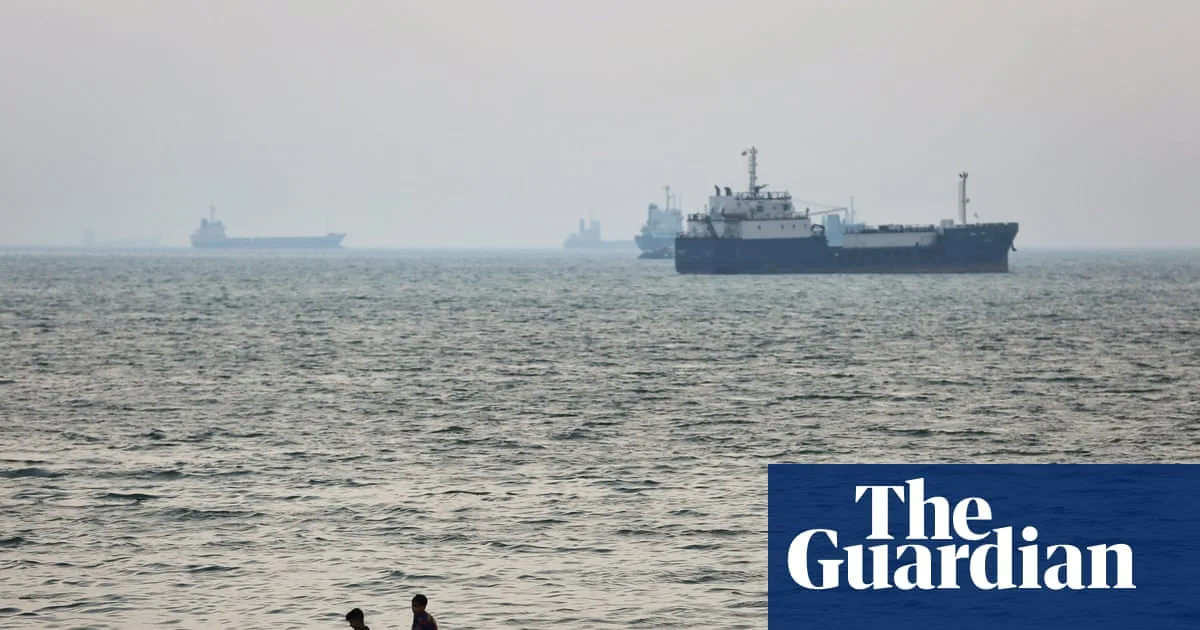
Iranian forces have seized two vessels in the Strait of Hormuz, escalating a standoff with the United States over the critical waterway through which about 20 per cent of the world’s oil once passed. The seizures come as Washington and Tehran maintain separate blockades, raising doubts about fragile ceasefire negotiations.
Mohammad Bagher Ghalibaf, the speaker of the Iranian parliament, said reopening the strait would be “impossible” while the US and Israel committed “flagrant” breaches of the ceasefire, including the US naval blockade and “Zionist warmongering”. He added that the US and Israel “did not achieve their goals through military aggression, nor will they through bullying”.
Iran’s Islamic Revolutionary Guard Corps said its naval forces stopped the Panama-flagged MSC Francesca and the Liberia-flagged Epaminondas, accusing them of attempting to exit the strait covertly. The Epaminondas is Greek-operated, and Greece’s foreign minister confirmed an attack on the Greek-owned cargo ship. A UK-based maritime security monitor reported that an Iranian gunboat fired on a vessel, causing heavy damage to the bridge.
The seizures mark the first time Iran has taken control of ships since the war began on 28 February. The US recently fired on and seized an Iranian cargo vessel and boarded an Iranian oil tanker in the Indian Ocean. President Donald Trump extended a ceasefire but continued the blockade, with the White House press secretary saying Trump was “satisfied” and that Iran was losing $500 million a day.
The crisis has hit Asian economies dependent on Gulf oil, causing shortages of fuel and fertiliser. Germany halved its 2026 growth forecast to 0.5 per cent, while Greece announced €500 million in extra aid. The International Maritime Organization appealed for help for about 20,000 seafarers stranded by the closure. Meanwhile, talks mediated by Pakistan in Islamabad failed after Iran did not send a delegation and the US team never left Washington.




