Britain has agreed to take part in “structured, time-bound, inclusive and good-faith” talks addressing the “historical harms” of the transatlantic slave trade, Commonwealth leaders have announced. In a collective statement, the group of nations said the moment had come for a “meaningful, truthful and respectful conversation towards forging a common future based on equity”.
Agreement reached at Chogm
The communiqué issued at the end of the Commonwealth Heads of Government Meeting (Chogm) in Antigua said: “We welcome the agreement of the Government of the United Kingdom to engage in a structured, time-bound, inclusive and good-faith dialogue with affected parties addressing the transatlantic trafficking of enslaved Africans and its historical harms.”
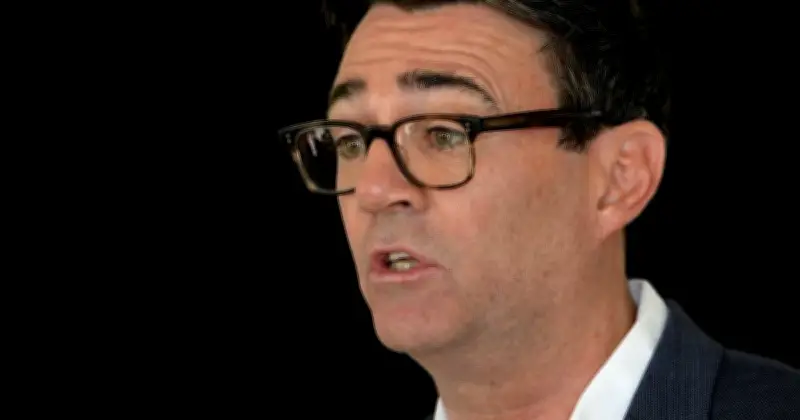
The development follows Prime Minister Andy Burnham indicating openness to issuing a formal apology on Britain’s behalf for its involvement in the transatlantic slave trade, while ruling out direct financial reparations. Officials said the timeline for the process would be decided at a later date, though Foreign Secretary Ed Miliband has suggested completion would likely come within 12 months.
Apology timing and new approach
Asked whether the Government might reach a formal apology before hosting the G20 leaders’ summit in Manchester next November, Mr Miliband told BBC Newscast: “Broadly speaking, yes.”
Mr Burnham has used his first Chogm to pledge to listen to fellow member states and adopt a “new approach” to the Commonwealth, following the 2024 summit at which Downing Street resisted pressure for an apology and sought instead to focus on the group’s future direction. Like his predecessors, he has ruled out paying reparations but has indicated a willingness to explore measures to assist poorer nations struggling with debt repayments.
Funding and criticism
The UK will also allocate £40 million over three years from within existing budgets to accelerate vital infrastructure investment, including green energy projects across the Caribbean. Mr Miliband has insisted British taxpayers will not contribute a single penny more as a result of the change in stance, amid growing questions over the extent of future financial support after the Prime Minister declined to confirm whether additional contributions falling short of direct reparations might be forthcoming.
Mr Miliband accused previous administrations of having a tendency to “sweep under the carpet” the wider issue of slavery, and said the previous summit had descended into a “verbal punch-up” that the Government was determined to avoid repeating. He also criticised what he described as a “sorry, not sorry” from Sir Tony Blair, who in 2006 expressed “deep sorrow and regret” over Britain’s role in the slave trade yet stopped short of issuing a formal apology.
Demands for an apology and reparations have intensified in recent years, with St Lucia’s Prime Minister Philip J Pierre, chairman of the 15-member Caribbean Community (Caricom), reportedly saying the bloc was “ready to engage” in the “structured dialogue” Mr Burnham had proposed.
The Commonwealth leaders’ summit took place alongside a visit by the King, who heads the organisation, to the Caribbean region. Charles acknowledged the legacy of slavery while opening the gathering, telling leaders that it was a “shameful chapter of history” which “fills my heart with horror and my soul with the most profound personal sorrow”.
Conservative leader Kemi Badenoch has called on the prime minister to resist issuing an apology for slavery, warning it would provide nations with grounds to seek reparations from the UK. She said: “I don't think we should be giving any money to compensate people for the slave trade, and I don't think that Andy Burnham needs to be apologising because it is a lever to wedge open the door to ask for cash.”