
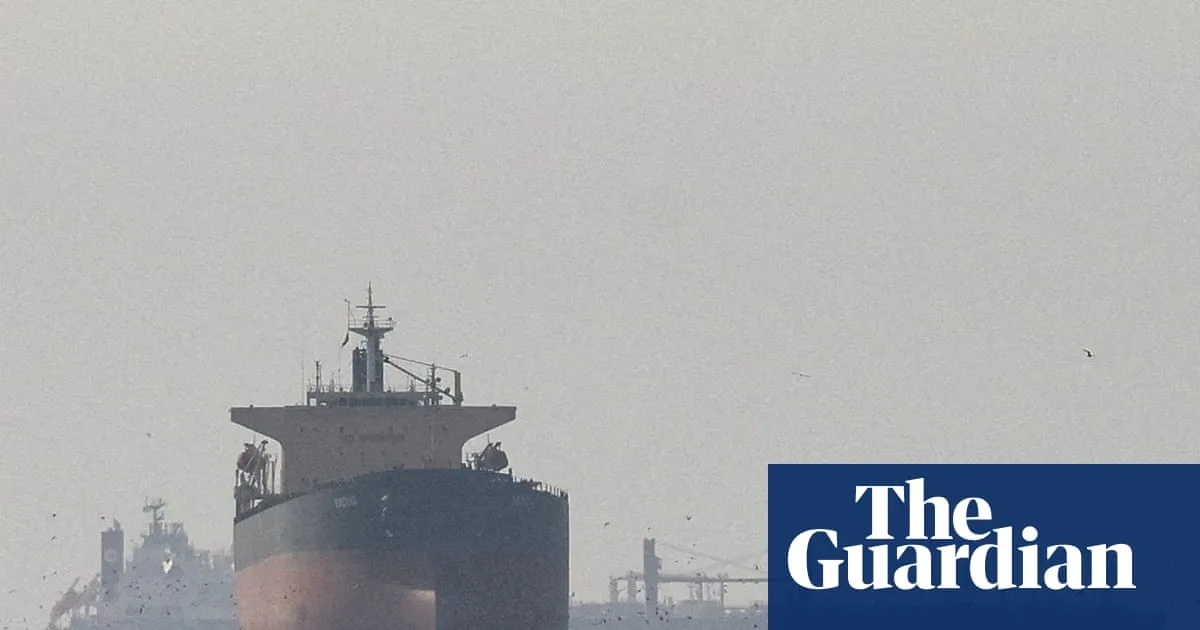
The UK has offered to host an international security summit to develop a collective plan to reopen the Strait of Hormuz, as the economic impact of the Iran conflict intensifies. Defence chiefs have been discussing how to unblock the vital shipping lane, through which approximately 20% of global oil supplies normally pass.
The Ministry of Defence has sent military planners to US Central Command to explore options for getting tankers through the strait, which has been effectively closed due to Tehran's threat of retaliatory attacks. More than 30 countries, including the UAE, UK, France, Germany, Canada, and Australia, have signed a joint statement agreeing to work on safeguarding the waterway.
UK military chiefs have held talks with counterparts about the practicalities of securing the strait, including deploying minesweeping drones to the Gulf. A defence official indicated that a further meeting of defence chiefs from the wider group is expected later this week, and that a Strait of Hormuz security conference could be held in London or at navy headquarters in Portsmouth.
Keir Starmer told the Commons liaison committee that there may not be a quick end to the conflict, despite Trump postponing strikes on Iranian power plants. The UK and its allies are pressing for de-escalation as oil prices and government borrowing costs rise, with knock-on effects on inflation.
Labour MP Matt Western, chair of the joint committee on national security strategy, described Trump's actions as a catastrophic military folly that is crippling the global economy and hurting British consumers. He noted that energy prices have skyrocketed, with gas prices almost doubling and oil prices jumping, and called on western leaders to press for urgent de-escalation.




