
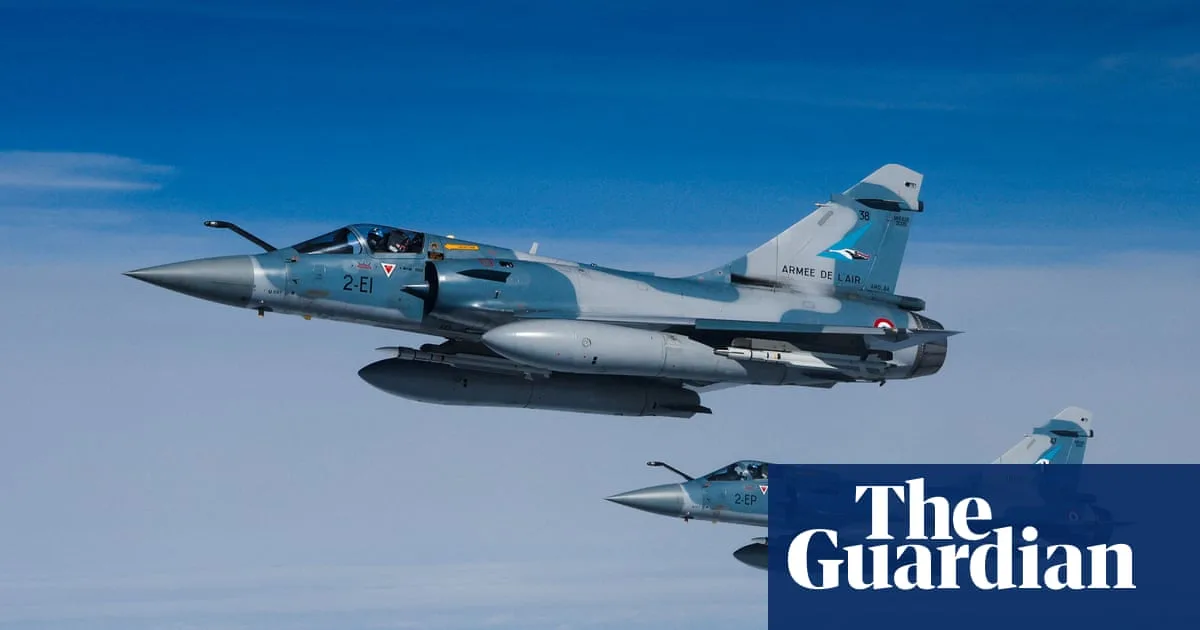
The risk of Gulf states being drawn into a direct war with Iran has increased after it was reported that the United Arab Emirates secretly launched a major attack on Iran during the recent conflict. The UAE assault was a retaliation for Iranian attacks on its facilities and included a strike on Iran's Lazan Island just before the 7 April ceasefire was announced, according to the Wall Street Journal.
The news makes the UAE a clearer target for Iran if the ceasefire collapses. Donald Trump said on Monday that the ceasefire was hanging by a thread due to Iran's failure to make concessions over its nuclear programme. The Pentagon reported on Tuesday that the cost of the war with Iran had risen to nearly $29bn, about $4bn higher than the previous estimate.
In the earlier fighting that began on 28 February, the UAE was selected as a target for Iranian missile and drone strikes, partly due to its rulers' diplomatic hostility towards Iran. The Wall Street Journal report pointed to images allegedly showing French Mirage fighter jets and Chinese Wing Long drones used by the UAE operating in Iran. Kuwait also said that at least four members of the Islamic Revolutionary Guard Corps had been captured trying to carry out “terrorist attacks” on Bubiyan Island.
The UAE has so far failed to persuade Qatar or Saudi Arabia to do more to counter Iranian attacks or the blockade in the Strait of Hormuz. The US ambassador to Israel, Mike Huckabee, said Israel had sent Iron Dome batteries and personnel to improve UAE defences. Divisions within Gulf states remain, with Saudi Arabia advocating restraint to avoid devastation of its oil facilities and desalination plants.




