
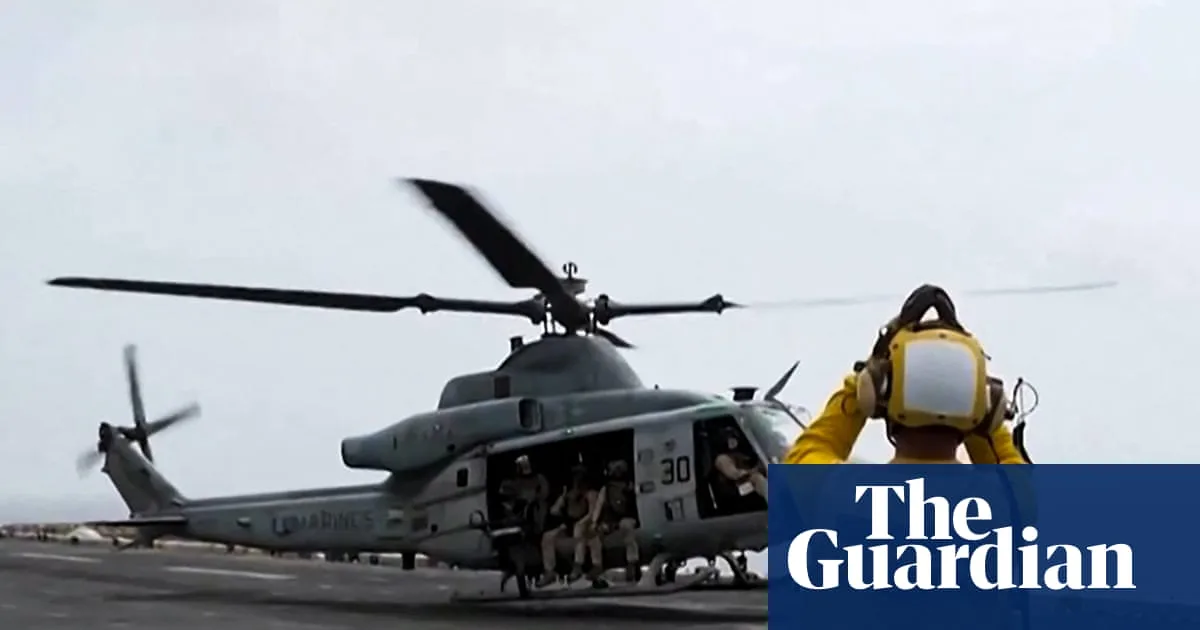
The United States has paused its bombing campaign against Iran for a third night after top military officials advised Donald Trump that the strikes had reached the limits of their effectiveness. The halt, which began on Friday evening, follows nearly two weeks of sustained attacks and the collapse of a US-brokered ceasefire.
Senior administration officials reported dwindling munitions stockpiles, including Patriot missile interceptors and Tomahawk cruise missiles. Admiral Bradley Cooper, the top US commander in the region, told the president that the list of targets in Iran had been nearly exhausted, leaving little strategic purpose in continuing the bombing without a return to major combat operations.
Oil prices fell on Monday as markets responded to the lull in fighting. Diplomatic efforts are under way to avoid a return to all-out war, with senior diplomats from Iran and Oman reportedly negotiating the reopening of the Strait of Hormuz, a vital oil and gas conduit. Iran has demanded payment and control over which vessels pass through the waterway.
Israeli Prime Minister Benjamin Netanyahu, a vocal critic of Washington’s negotiations with Tehran, is scheduled to visit the White House on Tuesday. Under political pressure ahead of October elections, he has pressed for continued US strikes against Iran and will convene his security cabinet before departing for Washington.
Tehran announced on Sunday that it would pause its retaliatory attacks against US allies, with army spokesperson Mohammad Akraminia stating, “Our strategy has essentially been retaliatory, we have also halted our retaliatory operations.” Iranian officials confirmed contacts with US negotiators to prevent escalation, though an army spokesperson signalled defiance, accusing the US of “strategic decision-making fatigue”.




