
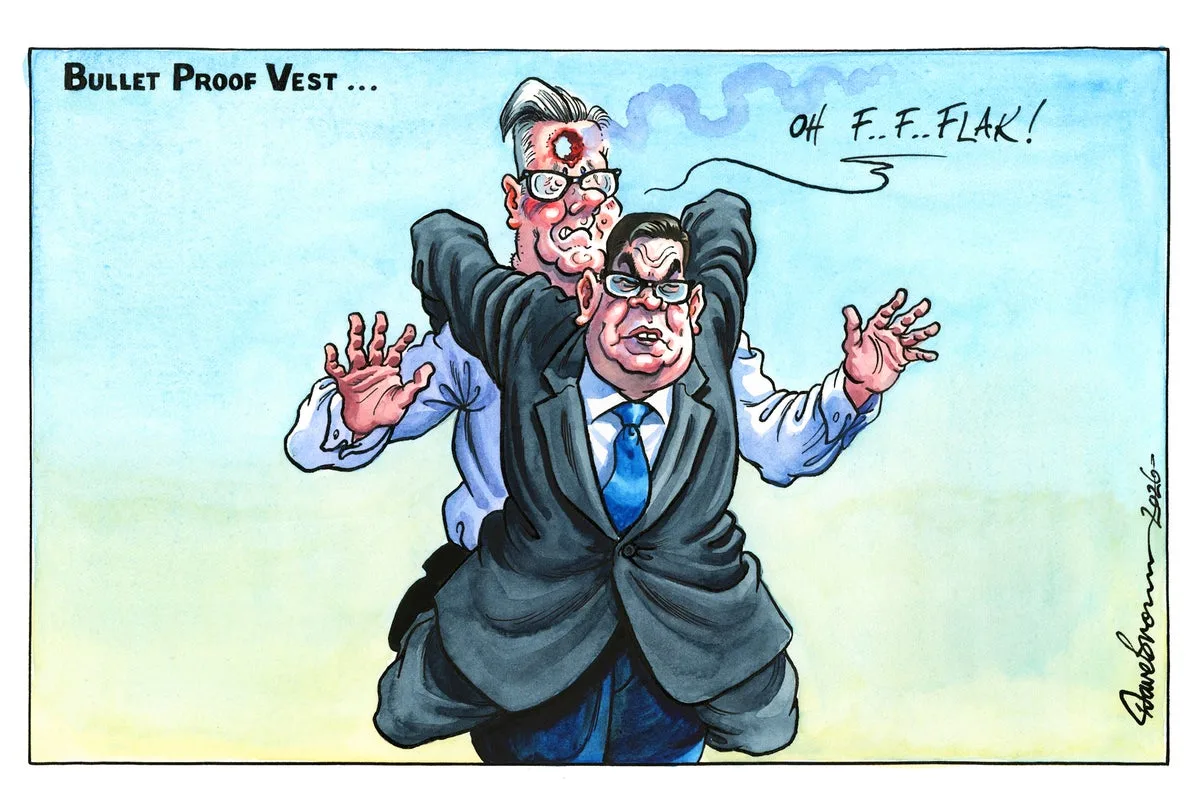
US President Donald Trump has extended the ceasefire in the Iran war indefinitely, marking a potential shift towards de-escalation. The decision comes after earlier threats of further military action, including strikes on infrastructure, which critics said would constitute war crimes. The move has been interpreted as consistent with a pattern of Trump backing down from confrontation, a trait previously identified by Wall Street investors.
The indefinite ceasefire spares the world from repeated uncertainty over US intentions and reduces the risk of Iranian retaliation against Gulf states and US assets. Markets responded positively, suggesting the crisis may be stabilising. However, peace talks hosted by Pakistan have stalled, with Iran demanding an end to the US blockade of its ports while maintaining its own control over the Strait of Hormuz.
Iran has continued to attack civilian shipping, detaining two cargo ships, while the US Navy maintains its own blockade. The disruption to global trade in oil, gas, and other commodities is severe, particularly affecting poorer nations in Africa and Asia. The situation cannot persist indefinitely without triggering a global depression.
China, as a major economy vulnerable to a downturn, is expected to pressure both sides. Trump has acknowledged his friendly relationship with Chinese President Xi Jinping, and China's influence on Iran could help soften Tehran's stance. Domestic US politics, including hostile public opinion and looming midterm elections, may also push Trump towards diplomacy.
Trump is now demanding only that Iran submit a 'peace plan', with no mention of regime change or unconditional surrender. He expects Iran to renounce nuclear ambitions, which were under international monitoring before the US withdrawal from the nuclear deal. The path to peace remains fragile but the ceasefire extension offers a glimmer of hope.




