
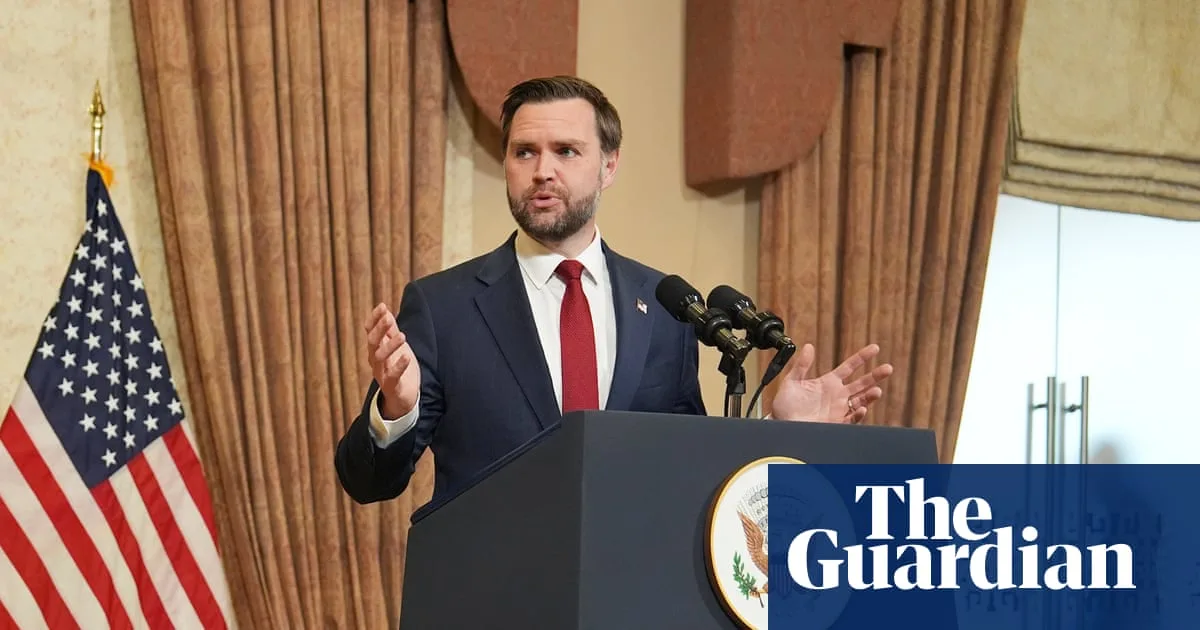
The collapse of US-Iran peace talks has heightened fears of prolonged energy shocks, with oil prices and borrowing costs expected to rise. Marathon negotiations in Islamabad failed after Iran refused to abandon its nuclear programme, according to US Vice-President JD Vance, while Iranian sources blamed Washington's excessive demands.
Oil prices are set to climb when trading resumes, with US crude expected to reach around $98 a barrel, up from $96.50 before the talks. Analysts at JPMorgan Chase predict prices will stay above $100 a barrel in the second quarter. The conflict began on 28 February with US and Israeli airstrikes on Tehran.
President Donald Trump announced on Truth Social that the US would blockade the Strait of Hormuz, effectively closed by Iran, and destroy mines laid by Iran. He warned that any Iranian firing on US or peaceful vessels would face severe consequences. The Iranian deputy parliament speaker, Haji Babaei, claimed the strait was completely under Iranian control, with tolls payable in rials.
Governments are concerned about rising inflation from higher oil and gas prices, prompting central banks to reconsider interest rate cuts. Ireland has seen social unrest over the cost of living. Mohamed El-Erian, adviser to Allianz, said uncertainty would dominate financial assessments, with markets likely to push oil prices and borrowing costs higher without a swift resumption of negotiations.
For the UK, this translates into another hit to the cost of living and less flexibility for fiscal and monetary policy responses. Global stock markets rebounded after a two-week truce was agreed on Wednesday, but the collapse of talks has renewed volatility.




