
The US State Department has defended Donald Trump’s expanded travel ban, claiming that World Cup and Olympic attendees would support the restrictions on arrivals from 19 countries. Spokesperson Tommy Pigott told a press briefing on Thursday that “people from around the world … would want to see actions like this” as part of hosting major events, citing security concerns.
The order, signed on Wednesday, fully bans entry from 12 countries: Afghanistan, Myanmar, Chad, Republic of Congo, Equatorial Guinea, Eritrea, Haiti, Iran, Libya, Somalia, Sudan and Yemen. Seven others – Burundi, Cuba, Laos, Sierra Leone, Togo, Turkmenistan and Venezuela – face partial restrictions. The ban takes effect on 9 June.
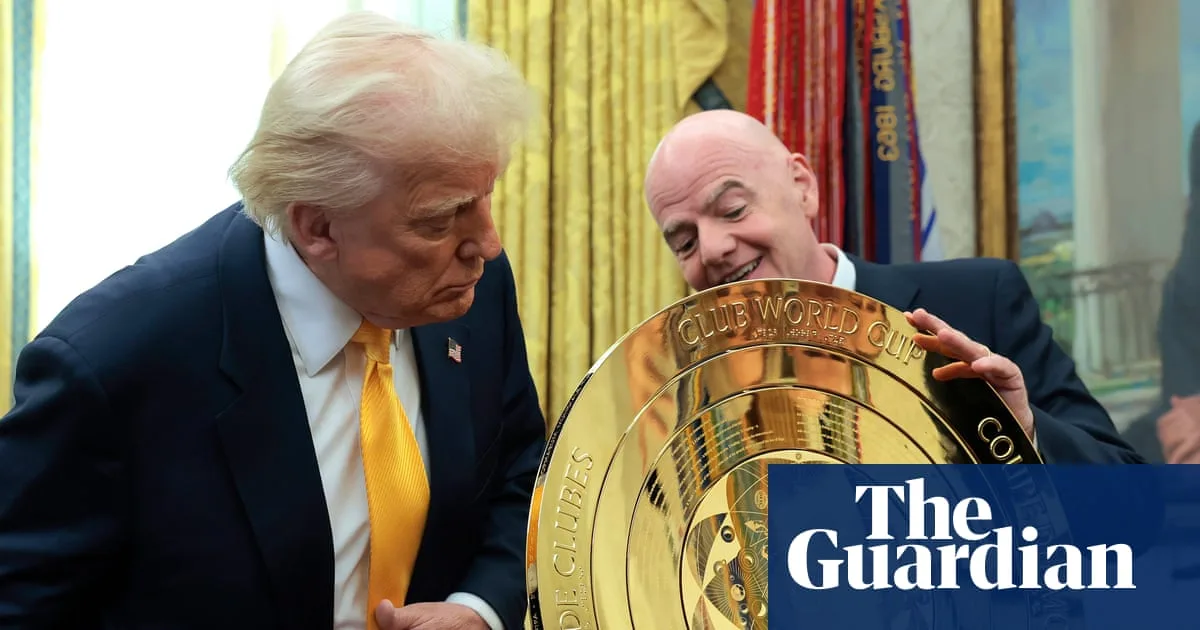
An exception exists for athletes and support staff travelling for the World Cup, Olympics or other major sporting events, but the wording leaves ambiguities. The State Department declined to confirm whether the Club World Cup, starting this month in the US, or the Gold Cup (featuring Haiti) are covered. FIFA and Concacaf also declined to comment.
Visa holders are also affected. The P-1 visa, commonly used by professional footballers in MLS and NWSL, is not listed among exempt visa types for all countries. For Venezuelan nationals, specific B, F, M and J visas are banned, but P-1 visas are not impacted. MLS has three Venezuelan internationals, two of whom may be affected by the ban’s timing if they travel for World Cup qualifiers.
When pressed on why other countries’ vetting procedures justify the restrictions, Pigott declined to elaborate. The ban revives and expands a policy from Trump’s first term.




