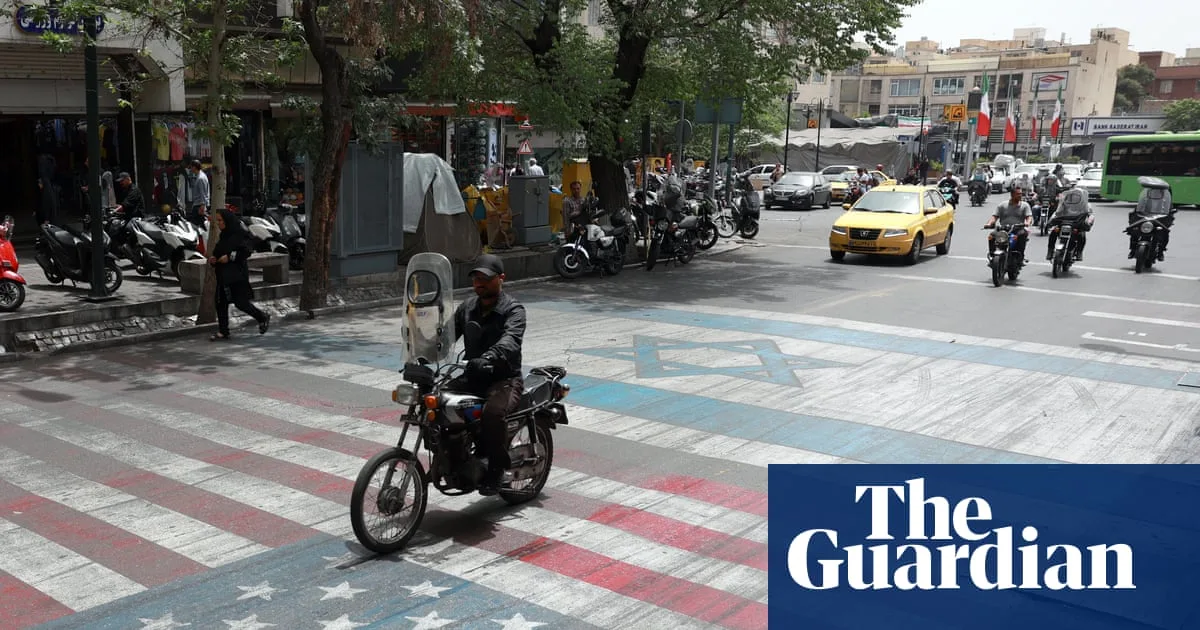
Donald Trump has once again threatened Iran, warning that the United States may launch new attacks if Tehran continues to refuse the significant concessions he demands for a peace deal to end the Middle East war.
Trump's Latest Threat
The US president revealed he had called off a fresh wave of strikes that would have broken the ceasefire in place since early last month. "I was an hour away from making the decision to go today," Trump told reporters at the White House on Tuesday.
The decision reportedly followed a new peace proposal submitted by Tehran via Pakistan, which has acted as a mediator. It may also have been influenced by the reluctance of allies, including Saudi Arabia, Qatar, and the United Arab Emirates, to see hostilities resume.
Trump claimed Iran's leaders were "begging" to make a deal, but warned that a new US attack would deliver "a big hit" in the coming days if one was not reached. "Well, I mean, I'm saying two or three days, maybe Friday, Saturday, Sunday, something, maybe early next week, a limited period of time, because we can't let them have a new nuclear weapon," he said.
Deadlock and Analysis
Trump has made repeated threats in recent weeks, but the continuing failure to follow through has increased the sense that the conflict is deadlocked. Analysts say both sides want to avoid a new round of hostilities but are unwilling to pay the political price of the concessions necessary to secure a peace agreement.
"Trump's threats have lost all credibility... Both sides are too far apart in terms of what they are willing to accept or work on, but neither side wants to go back to war. So they are just stuck... and neither side really knows how to get out of this," said Neil Quilliam of London's Chatham House.
Strait of Hormuz and Economic Impact
Iran continues to block most shipping in the Strait of Hormuz, which carried about a fifth of the world's oil and liquid gas before the conflict, while the US has imposed its own naval blockade on Iranian ports. Iranian officials have remained defiant, describing US demands as "excessive."
Since the ceasefire began on 8 April, Tehran and Washington have held only a single round of talks: an unsuccessful 21-hour session in Islamabad. Pakistani mediators have sought to bridge gaps between the two sides but have complained that both are "changing their goalposts."
According to Iran's ISNA news agency, military spokesperson Mohammed Akraminia reiterated on Tuesday that Tehran would continue to manage the Strait of Hormuz, adding that the US needed to "respect the Iranian nation and observe the legitimate rights of the Islamic republic."
On Monday, Iran announced the official formation of the Persian Gulf Strait Authority to manage traffic through the waterway, while the Islamic Revolutionary Guards Corps has threatened to impose permits on internet fibre optic cables passing through the strait. Akraminia said that in the event of new attacks, Iran would "open new fronts" against the US and had used the ceasefire "to strengthen its combat capabilities."
Experts say Iran would likely redouble efforts to retaliate against Israel and nearby Gulf states, probably targeting vulnerable oil and other civilian infrastructure.
Iran's Peace Proposal
Iranian state media said Tehran's latest peace proposal involved ending hostilities on all fronts, including Lebanon, the withdrawal of US forces from areas close to Iran, and reparations for destruction caused by US-Israeli attacks. Deputy Foreign Minister Kazem Gharibabadi said Tehran also wanted sanctions lifted, frozen funds released, and an end to the US marine blockade, according to IRNA news agency. The terms appeared little changed from Iran's previous offer, which Trump rejected last week as "garbage."
Global Economic Concerns
The closure of the Strait of Hormuz and the threat of further conflict have sent oil prices soaring, fuelling inflation worldwide and threatening a global recession. A new round of fighting could send prices even higher and stock markets tumbling. White House officials are concerned that the conflict, which has little support among US voters, may derail Republican chances of keeping control of Congress amid acute worries about the cost of living.
Meanwhile, Iran faces a deepening economic crisis and potential damage to its oil infrastructure. Inflation is soaring, and some officials fear an increase in popular discontent. Quilliam noted: "On Iran, there is no real data so it's very hard to guesstimate, but we know that the regime is intact and probably more hardline than it has ever been... So no matter the pain they are suffering, they are not suddenly going to say 'OK, we have to get to the negotiating table.'"
Human Rights Concerns
Rights groups have reported that since the start of the war, Iran has executed 26 men seen as political prisoners – 14 charged over January protests, one over 2022 demonstrations, and 11 accused of links to banned opposition groups. The Human Rights Activists news agency (Hrana) has documented at least 4,023 arrests in Iran between 28 February and 9 May, as well as at least 3,636 war fatalities, including 1,701 civilians, from US-Israeli attacks on Iran.
On Tuesday, a top commander of US forces in the Middle East avoided taking responsibility for an attack on a school in Minab, southern Iran, on the first day of the war, which killed 155 people, saying a "complex" investigation continued. Admiral Brad Cooper, commander of US Central Command, told a congressional oversight panel that "the school itself is located on an active IRGC cruise missile base," making the investigation "more complex than the average strike." According to Iranian state media, the attack killed 73 boys, 47 girls, 26 teachers, seven parents, a school bus driver, and another adult.






