Trump Dismisses Iran Negotiations Amid Escalating Conflict
US President Donald Trump has firmly stated that he will not engage in negotiations with Iran, suggesting that the ongoing conflict could escalate to a point where no leadership remains to negotiate. This declaration comes as tensions between the United States and Iran continue to intensify, with the US administration reportedly considering the deployment of special forces to Iran at a later stage of the war. The primary objective of this potential deployment would be to secure Iran's highly enriched nuclear stockpile, a move that underscores the grave concerns over Iran's nuclear capabilities.
Israel Launches Deadly Strikes on Tehran
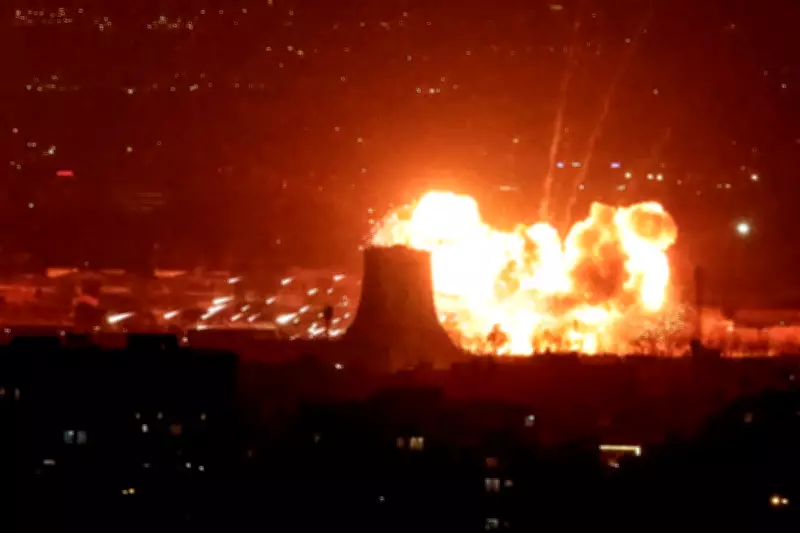
In a parallel development, Israel launched a series of deadly attacks overnight on Tehran's infrastructure and oil facilities. Locals reported massive explosions and fires, indicating significant damage to key economic and strategic assets. The Israel Defence Forces confirmed the strikes and issued a stark warning, vowing to continue pursuing every successor of Iran's next supreme leader. This warning was issued shortly after Iran's clerical body reportedly reached a consensus on choosing a successor for Ayatollah Ali Khamenei, highlighting the geopolitical stakes involved.
The timing of Israel's strikes is particularly notable, as it coincides with Trump's rejection of negotiations, suggesting a coordinated or at least simultaneous escalation in the region. The attacks on Tehran's oil facilities could have far-reaching implications for global energy markets, given Iran's role as a major oil producer. Additionally, the focus on Iran's leadership succession indicates that Israel is aiming to disrupt any potential continuity in Iran's strategic direction, particularly regarding its nuclear program and regional influence.

Trump's comments reflect a hardline stance that prioritizes military and strategic pressure over diplomatic solutions. This approach has drawn criticism from some quarters, who argue that it could lead to a broader and more destructive conflict. However, the administration appears resolute, with plans for special forces deployment underscoring a commitment to preventing Iran from advancing its nuclear ambitions. The situation remains fluid, with both the US and Israel signaling a willingness to take aggressive actions to achieve their objectives.
As the conflict unfolds, the international community watches closely, concerned about the potential for further escalation and its impact on regional stability. The combination of Trump's rejection of negotiations and Israel's targeted strikes on Tehran creates a volatile environment, where miscalculations could have severe consequences. The focus now shifts to how Iran will respond, both in terms of its military actions and its internal leadership decisions, as the world braces for possible new developments in this high-stakes geopolitical standoff.