
US President Donald Trump has said he is prepared to hold talks with Iran's surviving leadership, following a wave of US-Israeli airstrikes that killed Iran's supreme leader, Ayatollah Ali Khamenei, and dozens of other senior officials. The strikes, which began on Saturday, have triggered retaliatory missile attacks from Iran and escalated into a broader regional conflict, with Israel now striking Hezbollah targets in Lebanon.
Speaking to Fox News, Trump claimed that 48 Iranian leaders had been killed in the first two days of bombing, and that nine Iranian warships had been sunk. He told the Atlantic magazine: 'They want to talk, and I have agreed to talk, so I will be talking to them.' However, Iran's top security official, Ali Larijani, has ruled out negotiations, denying reports that Tehran sought to initiate talks.
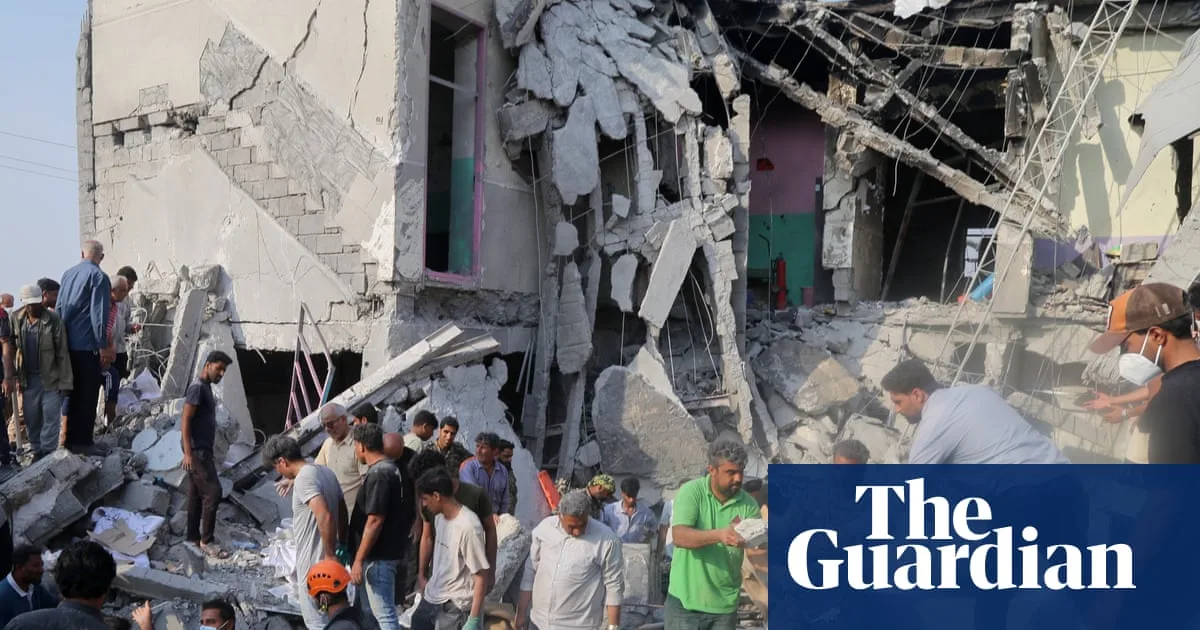
The conflict has caused significant casualties. Iranian state media reported 165 deaths from a bomb attack on a girls' school in Minab, while the Iranian ambassador to the UN said hundreds of civilians had been killed or injured in the US-Israeli strikes. Nine Israelis have died in Iranian missile counterstrikes, and US forces confirmed three deaths and five injuries from shrapnel.
The global impact is mounting, with oil prices rising after attacks on tankers near the Strait of Hormuz. About 150 tankers have dropped anchor, and major shipping companies like MSC and Maersk have suspended navigation in the region. Airports in Kuwait, Abu Dhabi and Dubai remain closed after missile damage, causing severe aviation disruption.
Israeli Prime Minister Benjamin Netanyahu has vowed to intensify aerial attacks on Iran, while Trump suggested the conflict could last another four weeks and warned of more American casualties. The US president also indicated that potential candidates to replace Khamenei had been killed in the initial strikes, leaving no clear successor.




