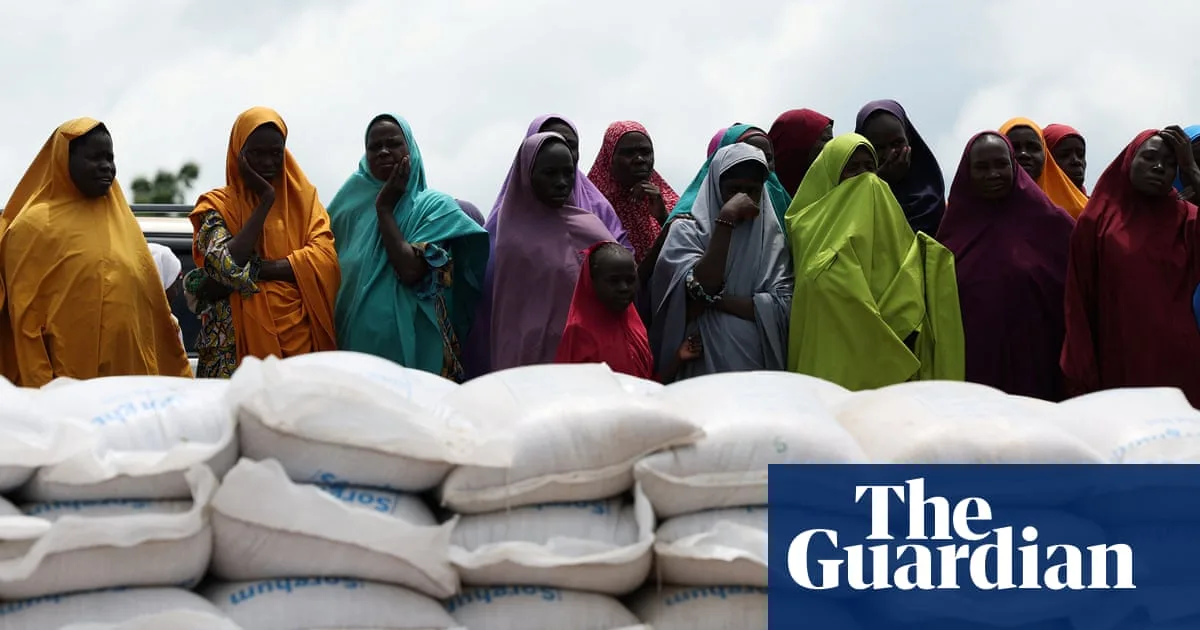
The Trump administration has launched a diplomatic drive to persuade other nations to endorse a 'trade over aid' declaration at the United Nations this month, marking a fundamental shift in global development policy. The initiative, confirmed by State Department principal deputy spokesperson Tommy Pigott on Wednesday, promotes free-market capitalism as 'the surest path to prosperity' and seeks to replace direct aid to developing countries with increased trade led by private companies.
Pigott criticised the current aid model, stating that those advocating for 'aid not trade' were 'really arguing for lining the pockets of a corrupt NGO industrial complex'. The push comes as the administration has already dismantled most of USAID, and humanitarian aid is declining globally. According to new OECD figures, 26 of 34 donor nations reduced their aid budgets in 2025, with France, Germany and the UK seeing double-digit cuts.
The initiative, detailed in an internal US diplomatic cable obtained by the Washington Post, has four aims: advancing pro-business reforms in developing economies; facilitating government-private sector dialogue to attract investment; highlighting countries that have pursued free-market development; and brokering business partnerships between developing nations and US companies or international organisations. Ambassador Mike Waltz previewed the effort during Senate testimony on Tuesday.
The shift away from aid has raised concerns about potential humanitarian consequences. A study in The Lancet projected that global aid cuts could result in at least 9.4 million additional deaths by 2030, while the Center for Global Development estimated USAID cuts alone may have contributed to between 500,000 and a million deaths in 2025. The US mission to the UN is expected to host a formal signing event for the declaration before the end of April.