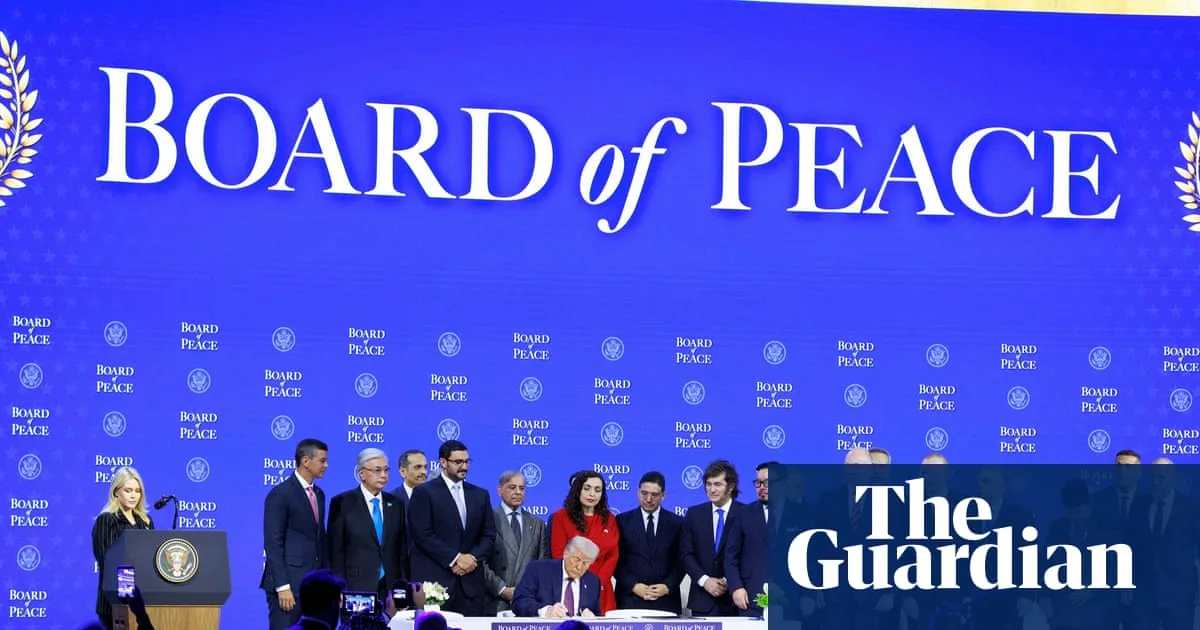
Trump Excludes Canada from Peace Board After Carney's Davos Rebuke
Trump Excludes Canada from Peace Board After Davos

In a significant diplomatic development, President Donald Trump has formally disinvited Canada from his proposed "Board of Peace," a move that comes just days after Canadian Prime Minister Mark Carney delivered a blistering speech at the World Economic Forum in Davos. The decision marks a notable escalation in tensions between the two North American neighbours, highlighting a growing rift in international relations.

A Speech That Sparked Controversy

Prime Minister Carney's address in Davos focused heavily on the concept of "an era of great power rivalry," a phrase widely interpreted by political analysts and observers as a direct rebuke of President Trump's foreign policy initiatives. Among these initiatives is the President's controversial effort to acquire Greenland, a territorial ambition that has drawn criticism from multiple quarters. Carney's remarks, delivered to a global audience of leaders and influencers, underscored a fundamental disagreement with Trump's approach to geopolitics and sovereignty.

The Immediate Aftermath

The White House's response was swift and unambiguous. Within days of the Davos speech, official communications confirmed that Canada's invitation to participate in the "Board of Peace" had been rescinded. This board, a pet project of President Trump, is envisioned as a platform for fostering international cooperation and stability, though its exact mandate and membership remain fluid. The exclusion of Canada, a traditional ally and key partner in NATO and other multilateral organisations, sends a clear message about the administration's sensitivity to public criticism.

Wide Pickt banner — collaborative shopping lists app for Telegram, phone mockup with grocery list

Analysts suggest that this move is not merely about the Greenland issue but reflects broader frustrations with Canada's independent stance on global affairs. The timing, immediately following Carney's high-profile speech, indicates a deliberate attempt to signal displeasure and assert dominance in diplomatic channels.

Broader Implications for International Relations

This incident raises important questions about the future of transatlantic and North American alliances. The disinvitation could have ripple effects on trade negotiations, security collaborations, and joint initiatives between the United States and Canada. Observers note that such public spats between close allies are rare and often indicative of deeper, unresolved conflicts.

Furthermore, the focus on "great power rivalry" in Carney's speech touches on a central theme in contemporary geopolitics, where traditional alliances are being tested by shifting power dynamics. Trump's reaction may embolden other leaders to reconsider their public statements, fearing similar repercussions.

What Happens Next?

As this story continues to develop, key points to watch include:

  • Official responses from the Canadian government regarding the disinvitation.
  • Potential impacts on ongoing bilateral talks and agreements.
  • Reactions from other nations invited to the "Board of Peace," and whether they will express solidarity with Canada.
  • The long-term effect on US-Canada relations, particularly in areas like defence and economic cooperation.

The situation remains fluid, with diplomats and policymakers on both sides of the border likely engaged in behind-the-scenes discussions to manage the fallout. This episode serves as a stark reminder of how quickly diplomatic relations can sour in the face of public disagreements and personal diplomacy.

Pickt after-article banner — collaborative shopping lists app with family illustration




