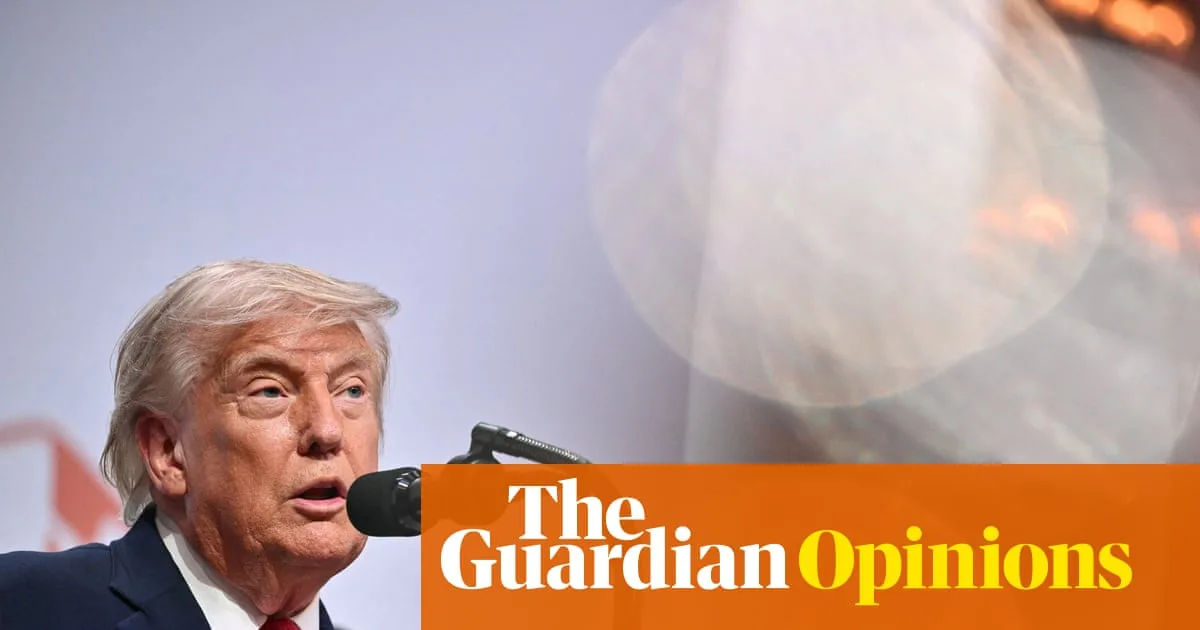
Donald Trump has declared a 'major win' after signing a ceasefire deal with Iran that includes $300bn in rebuilding funds, an end to economic sanctions, and a promise not to interfere in Iran's internal affairs. The agreement, reached after four months of conflict, effectively settles the war on Tehran's terms, according to analysts.
The US president, who launched the military campaign alongside Israeli Prime Minister Benjamin Netanyahu in February, now appears eager to distance himself from the conflict. Trump has expressed frustration with Netanyahu's bombing of Lebanon, questioning the necessity of destroying apartment buildings in pursuit of Hezbollah fighters.
The war, which Trump initially claimed would last four to five weeks, has resulted in over 3,300 Iranian deaths, including more than 100 children killed in a girls' school. The US and Israeli forces carried out the strikes. Trump's justification for the intervention—that Iran's nuclear ambitions threatened US security—has been widely criticised as thin and reminiscent of the 2003 Iraq invasion.
Under the ceasefire, Iran has reaffirmed its commitment to abjure nuclear weapons, a promise it has made repeatedly in the past. The deal now faces a 60-day negotiation period, with the aim of opening Iran to outside commerce and contact. Analysts suggest this could weaken the regime's grip over time, unlike the failed strategy of isolation.
The accord marks a significant shift in US policy, with Trump accepting terms that favour Tehran. The next steps will be closely watched as efforts to control Israeli attacks on Lebanon continue.