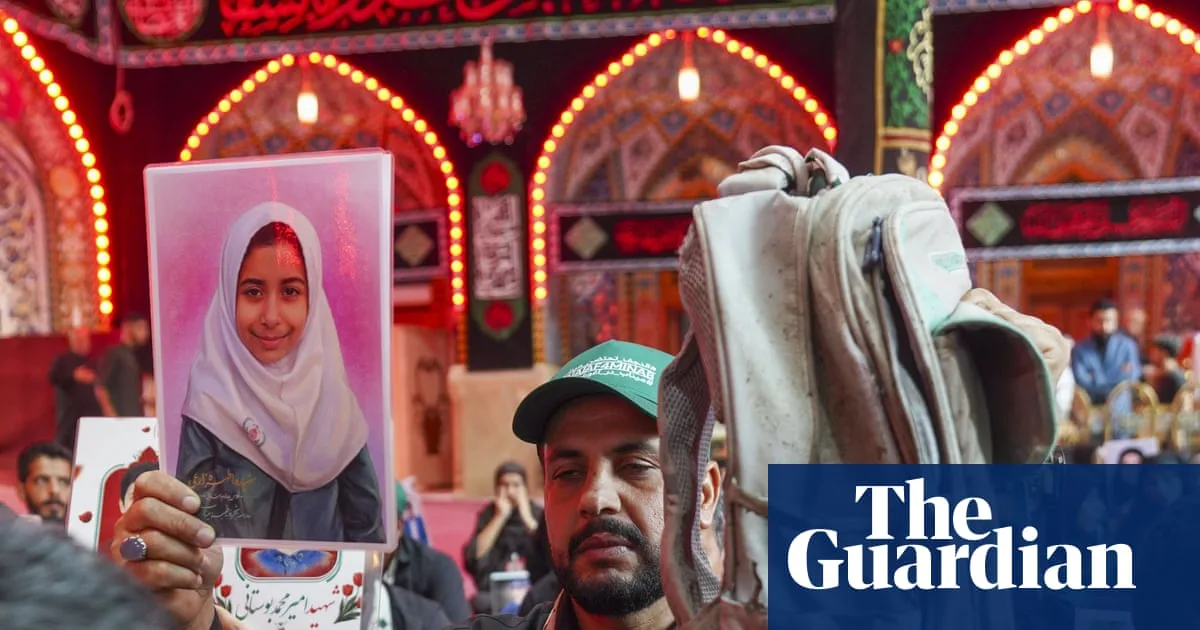
Trump Accuses Iran of Deadly School Strike Amid Escalating Conflict
President Donald Trump has publicly blamed Iran for an airstrike that struck an elementary school in the city of Minab, resulting in the deaths of more than 150 children. Speaking on Saturday after attending a dignified transfer ceremony for six US soldiers killed in a Middle East conflict, Trump asserted, "In my opinion, based on what I've seen, that was done by Iran." He added, "They have no accuracy whatsoever," referring to Iranian military forces.
However, these claims contradict reports from US military investigators, who believe American forces are likely responsible for the attack. Neither the United States nor Israel has officially taken responsibility for the strike on the school.
Intensified Strikes on Iranian Infrastructure
In a significant escalation, US and Israeli forces conducted overnight strikes on oil storage depots and refining facilities in Tehran for the first time, igniting large fires across the Iranian capital. Prior to this, they had attacked a desalination plant on Qeshm Island, reportedly disrupting water supplies to approximately 30 villages in Hormozgan province.
Israeli forces also targeted a hotel in Beirut, killing four people and wounding ten. In retaliation, Iran launched strikes against Israeli and US assets in the region, as reported by state media.
Plans for Special Forces Operation
According to a report by Axios on Saturday, the United States and Israel have discussed deploying special forces into Iran at a later stage of the war to secure its stockpile of highly enriched uranium. This information comes from four sources familiar with the discussions, highlighting the strategic concerns over Iran's nuclear capabilities.
Protests in London Against the War
Thousands of protesters marched through London on Saturday, calling for an end to US and Israeli strikes on Iran. The Metropolitan Police estimated between 5,000 and 6,000 participants in the "Hands Off Iran" march, with demonstrators chanting, "Stop the bombing now, now, now." This protest occurred as President Trump declared that Iran is being "beaten to hell" and warned of further hard hits.
Iranian President Masoud Pezeshkian responded by stating that demands for unconditional surrender are a "dream that they should take to their grave." He also apologised for attacks on neighbouring countries in an apparent effort to ease regional tensions following Iranian strikes on the Gulf.
Impact on Formula 1 and Regional Casualties
The escalating conflict threatens to cancel Formula 1 races in Bahrain and Saudi Arabia next month, potentially costing the sport an estimated £54 million in hosting fees. Iranian airstrikes have targeted locations in these countries, including a hotel in Manama, Bahrain, which typically hosts F1 personnel, and major airports remain closed throughout the region.
In Kuwait, two border guards were killed early Sunday amid a barrage of missiles and drones, marking the latest war-related deaths since the conflict erupted on 28 February. Last week, two troops and a child were also killed in the region.
British Military Preparedness
The UK Ministry of Defence has confirmed that the HMS Prince of Wales aircraft carrier is being prepared for any future deployment, following Trump's claims that two carriers were being readied for the Middle East. A spokesperson stated that the carrier is on "increased preparedness," reducing deployment time by several days, while HMS Queen Elizabeth has not been similarly readied. Britain has bolstered its military presence in the region since January, deploying Typhoons, F-35 jets, and additional personnel to Cyprus.
Detailed Account of Strikes in Beirut and Tehran
Israel carried out wide-ranging strikes across the Middle East, targeting a seaside neighborhood in Beirut and key energy infrastructure in Tehran. In Raouché, Beirut, a strike killed four people and wounded ten in an apartment at a Ramada hotel, which was housing displaced people fleeing conflict in southern Lebanon. Israel claimed the strike hit "key commanders" in the Islamic Revolutionary Guards Corps operating in Beirut.
In Tehran, strikes on fuel storage and energy complexes, including facilities near the main oil refinery in Shahr Rey district, caused the skyline to glow with flames. Residents expressed fears over safety, with one businessman noting that even roads in and out of the city have become dangerous due to nearby attacks.