

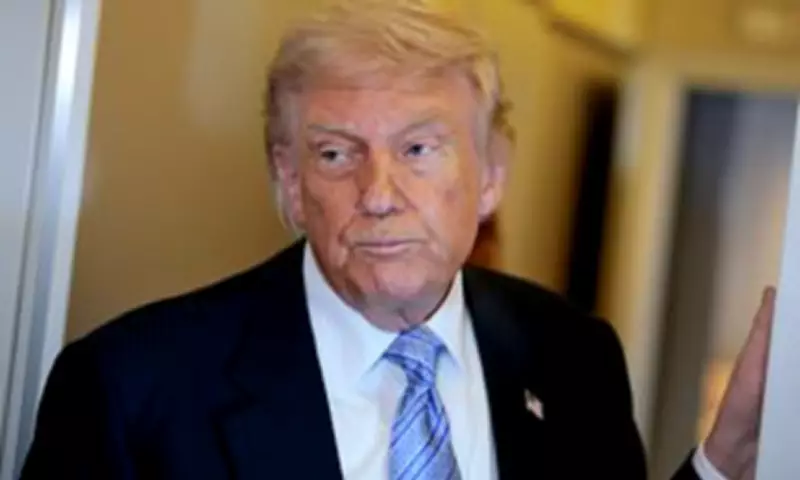
President Donald Trump has reportedly given his backing to a large-scale military attack on Iran that is scheduled to take place tomorrow, according to sources familiar with the matter. The decision comes despite urgent pleas from Gulf allies to avoid further escalation in the region.
Background of Tensions
The planned strike follows a series of incidents that have heightened tensions between the United States and Iran. The Trump administration has accused Iran of being behind attacks on oil tankers and drone downings, which Tehran denies. The situation has been further inflamed by Iran's recent downing of a US drone, which the US claims was in international airspace.
Gulf allies, including Saudi Arabia and the United Arab Emirates, have reportedly urged the US to exercise restraint. They fear that a direct military confrontation could destabilize the entire region and disrupt global oil supplies. However, Trump's apparent approval of the attack suggests a more hawkish approach.

Details of the Planned Attack
Sources indicate that the attack would involve multiple targets in Iran, including military installations and nuclear facilities. The scale of the operation is expected to be significant, with potential involvement of naval and air forces. The timing of the attack, scheduled for tomorrow, has caught many by surprise, as diplomatic efforts were believed to be ongoing.
Critics argue that such an attack could lead to a full-scale war, with unpredictable consequences for the Middle East and beyond. They point to Iran's ability to retaliate through proxies in Iraq, Syria, Yemen, and Lebanon, as well as its capacity to disrupt shipping in the Strait of Hormuz.
Reactions from the International Community
The international community has reacted with alarm to the news. European allies have called for de-escalation and urged both sides to return to diplomatic negotiations. Russia and China have also expressed concern, warning against any unilateral military action.
In Washington, the decision has sparked debate among policymakers. Some support a strong response to what they see as Iranian aggression, while others caution against another costly war in the Middle East. Lawmakers from both parties have demanded briefings from the administration on the rationale for the attack.
Potential Consequences
If the attack proceeds, it could have far-reaching implications. The global economy, already fragile, could face a sharp spike in oil prices. The humanitarian impact on Iranian civilians would also be severe, with potential casualties and displacement.
Moreover, the attack could undermine US credibility in the region and strain relationships with allies who oppose military action. It may also embolden Iran's hardliners and weaken moderate voices within the Iranian government.
As the clock ticks down to the scheduled attack, the world watches with bated breath. Whether last-minute diplomacy can avert a conflict remains uncertain, but the stakes could not be higher.






