
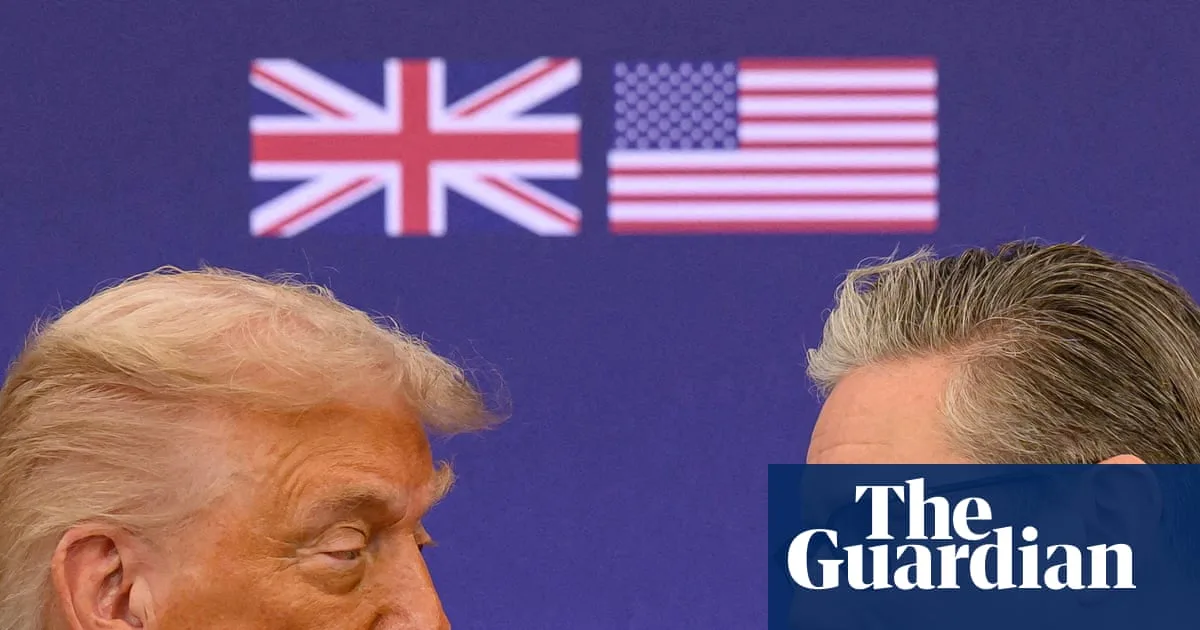
Keir Starmer’s decision to refuse US requests for use of British bases in initial strikes on Iran has earned him public approval and left political rivals Nigel Farage and Kemi Badenoch struggling to respond, according to allies. Emily Thornberry, Labour chair of the foreign affairs committee, called the move a ‘big deal’, noting it is the first time a British prime minister has said no to an American president since the Vietnam War.
Starmer adopted a middle ground: refusing permission for offensive operations but later allowing use of bases for defensive actions to destroy Iranian missiles. This stance has drawn ire from Donald Trump but garnered support from a British public wary of foreign entanglements after Iraq and Afghanistan. A YouGov poll found six in 10 Britons oppose the military action, with only a quarter in favour.
In contrast, Farage and Badenoch initially urged stronger support for US and Israeli strikes. Farage called for Britain to ‘do all we can to support the operation,’ while Badenoch advocated helping to take out Iranian missiles. However, as petrol prices rose and public opinion hardened, both adjusted their positions. Badenoch now denies wanting UK involvement in the war, and Farage held a stunt at a petrol station promising discounts and warning against ‘another foreign war.’
Conservative figures criticised Starmer’s approach. Andrew Mitchell, former deputy foreign secretary, called refusal a ‘very big mistake’ and said Starmer acted on ‘questionable legal advice,’ adding it was ‘embarrassing.’ A senior Tory said the right’s messaging had been ‘terrible,’ though some believe Starmer was wrong not to support Trump initially.
Reform UK adviser Alan Mendoza argued the party remained consistent in backing the US request, while questioning whether polls adequately captured strategic interests. Despite internal divisions, Starmer’s stance appears to have put Labour on stronger ground with the electorate, with Thornberry suggesting it ‘could be the making of him.’




