
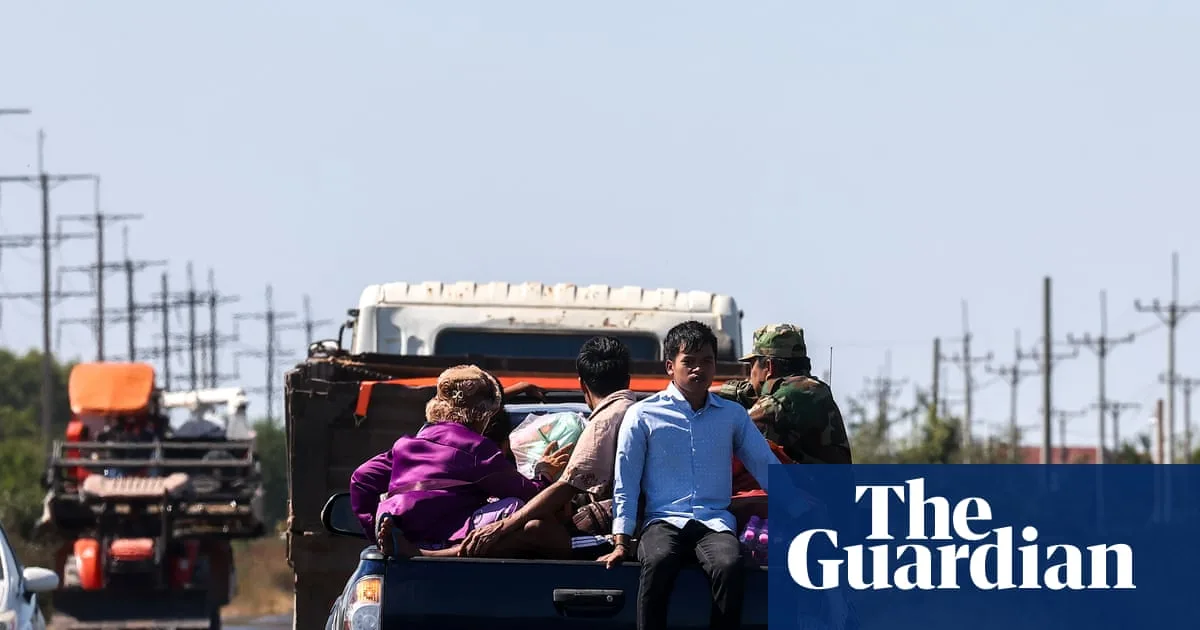
Thailand and Cambodia have agreed to an immediate ceasefire following weeks of deadly border clashes that have killed more than 100 people and displaced over half a million on both sides. In a joint statement, the two Southeast Asian neighbours pledged to halt all forms of attacks and further troop deployments, with the ceasefire taking effect at noon local time on Saturday.
The agreement, signed by Thai Defence Minister Natthaphon Narkphanit and his Cambodian counterpart Tea Seiha, covers all types of weapons, including attacks on civilians, civilian objects, infrastructures, and military objectives. Both sides agreed to maintain current troop deployments without further movement, as any reinforcement would heighten tensions and negatively affect long-term resolution efforts.
The ceasefire ended 20 days of fighting that included fighter jet sorties, rocket fire, and artillery barrages. However, even as talks were held on Saturday, Cambodia reported that Thailand launched an airstrike on a site in the country's north-west, with four bombs dropped by F-16 fighter jets. Thailand's military confirmed a similar attack on Friday.
The longstanding border dispute, rooted in competing territorial claims, escalated into open combat in late July. Despite a previous shaky ceasefire mediated by Malaysian Prime Minister Anwar Ibrahim and backed by US President Donald Trump, renewed fighting erupted in early December. Thailand has reported 26 soldiers and one civilian killed directly, with 44 civilian deaths from collateral effects. Cambodia has not issued official military casualty figures but reports 30 civilians killed and 90 injured.




