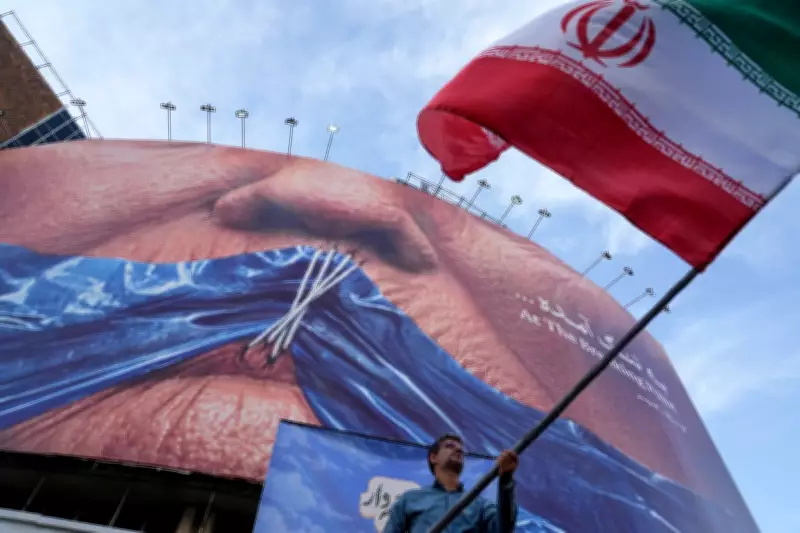
Iran's stranglehold on the Strait of Hormuz has sent shockwaves through the global economy, driving up fuel prices and affecting sectors far beyond the Middle East. Tens of thousands of mariners and hundreds of vessels remain trapped in the Persian Gulf after Iran effectively seized control of the critical waterway following a U.S. and Israeli attack on February 28. Despite weeks of heavy bombing and a U.S. naval blockade imposed last month, Iran's grip remains firm. Tehran has stated it will only reopen the strait if the war ends and the blockade is lifted, while U.S. President Donald Trump seeks broader concessions, including the dismantling of Iran's nuclear program.
Key Statistics on the Strait of Hormuz
Geographic Chokepoint
At its narrowest point, the Strait of Hormuz is just 21 miles (34 kilometers) wide, bending like an elbow between Iran and Oman. Ships must navigate narrow lanes through shallow waters, making it an even more critical chokepoint.
Global Oil Flow
Before the conflict, a fifth of the world's traded oil—along with large quantities of natural gas, fertilizer, and other petroleum products—passed through the strait daily.

Shipping Traffic
Normally, 100 to 130 ships, including oil tankers and cargo vessels, transited the strait each day, according to Lloyd's List Intelligence. Since hostilities began, only 534 ships are believed to have passed through through May 4, many carrying Iranian oil. In peacetime, 6,500 to 8,450 ships would have made the journey in the same period.
Fuel Price Surge
The average price of gasoline in the U.S. has risen 50% since the war started, reaching $4.56 per gallon on Thursday, according to AAA. Jet fuel costs have nearly doubled.
Insurance Costs
Insurance rates for ships have skyrocketed from 1% of cargo value to as much as 10%, shipping experts report.
Food Security Threat
The U.N. World Food Program warns that 45 million people, mostly in Asia and Africa, could face hunger if the strait remains closed. Disruptions to fuel and fertilizer shipments may push food prices beyond reach for vulnerable populations.
Human Toll
Since the war began, 10 mariners have been killed, according to the U.N.'s International Maritime Organization. Thirty-two ships have come under attack. The U.S. military reports 1,550 vessels from 87 countries are stranded in the Persian Gulf, with 22,500 mariners trapped aboard, many from South and Southeast Asia.
Military Response
The U.S. has committed 15,000 soldiers and 100 aircraft to enforce Project Freedom, President Trump's initiative to guide ships through the strait. However, the operation was paused on Tuesday, just two days after its announcement, having successfully guided only two vessels.