Ben Stiller Slams Trump White House Over Unauthorised Tropic Thunder Clip
Stiller Blasts White House for Using Tropic Thunder Clip

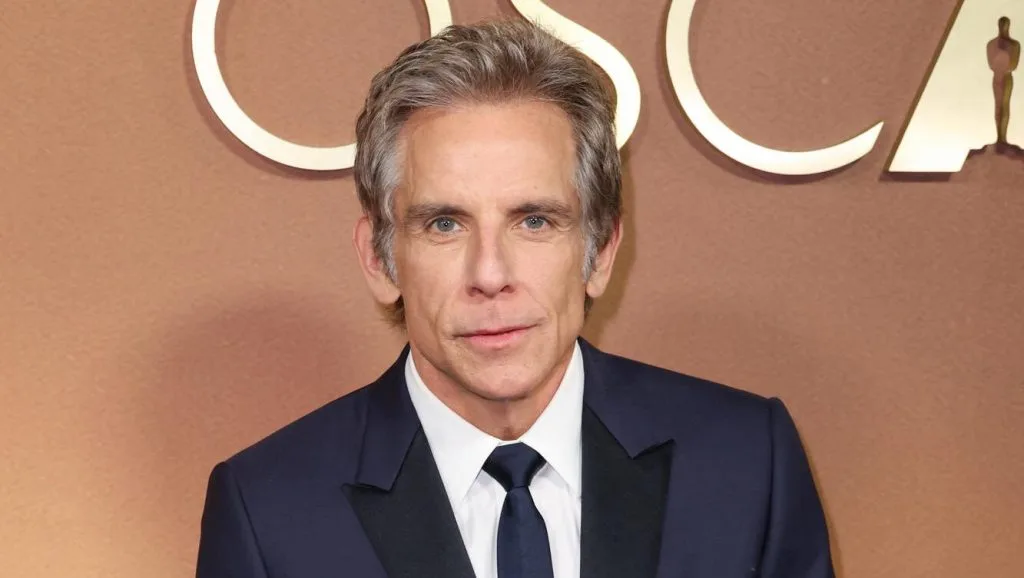
Hollywood icon Ben Stiller has launched a fierce public rebuke of former President Donald Trump's White House after officials used an unauthorised clip from his satirical action comedy film Tropic Thunder on official social media channels. The 60-year-old actor and director accused the administration of operating as a propaganda machine by incorporating the footage into a post concerning military operations.

Stiller's Strong Social Media Condemnation

Taking to the platform X, formerly known as Twitter, Stiller issued a direct demand to the White House. He wrote emphatically, "Hey White House, please remove the Tropic Thunder clip. We never gave you permission and have no interest in being a part of your propaganda machine. War is not a movie." His post has garnered immense attention, being viewed over 14 million times and shared by approximately 45,000 users, highlighting the significant public engagement with the controversy.

Context of the Controversial Post

The White House's social media upload featured the Tropic Thunder excerpt edited alongside clips from other popular films and television series, including Top Gun, Superman, Transformers, Breaking Bad, and Iron Man. The compilation was captioned "Justice the American way" and was reportedly intended to convey a message related to ongoing conflicts in the Middle East. This context involved the reported execution of Iran's top military chief after allegations of espionage, adding a layer of geopolitical tension to the usage.

Growing Backlash from Entertainment Figures

Stiller is not alone in his outrage. Several high-profile celebrities have recently voiced similar complaints against the White House for utilising their creative content without consent. Notably, singer Kesha expressed fury last month when her song Blow was featured in a video depicting a fighter jet launching a missile at a naval ship, accompanied by an explosion. She condemned the attempt to incite violence and make light of war, stating she does not approve of her music being used to promote such actions.

Other artists like Céline Dion, Olivia Rodrigo, and Bruce Springsteen have also criticised the administration's social media practices, indicating a broader pattern of discontent within the entertainment industry. This trend underscores ongoing tensions between political messaging and artistic integrity.

White House Response and Communications Strategy

In response to Kesha's earlier criticism, White House Director of Communications Steven Cheung commented on X, suggesting that such complaints inadvertently boost the administration's visibility. He remarked, "All these ‘singers’ keep falling for this. This just gives us more attention and more view counts to our videos because people want to see what they’re bitching about. Thank you for your attention to this matter." This statement reflects a strategic approach that leverages controversy to amplify reach, further fuelling the debate over ethical media usage.

Implications for Copyright and Propaganda Concerns

The incident raises critical questions about copyright permissions and the ethical boundaries of using entertainment content for political propaganda. Stiller's accusation that the White House is acting as a propaganda machine highlights fears about the militarisation of popular culture in official communications. As social media becomes an increasingly potent tool for political messaging, such disputes may become more frequent, challenging the relationship between government entities and the creative community.

Ultimately, this controversy not only spotlights individual grievances but also prompts a wider discussion on the responsibilities of public institutions in respecting intellectual property and avoiding the trivialisation of serious global conflicts through cinematic references.