
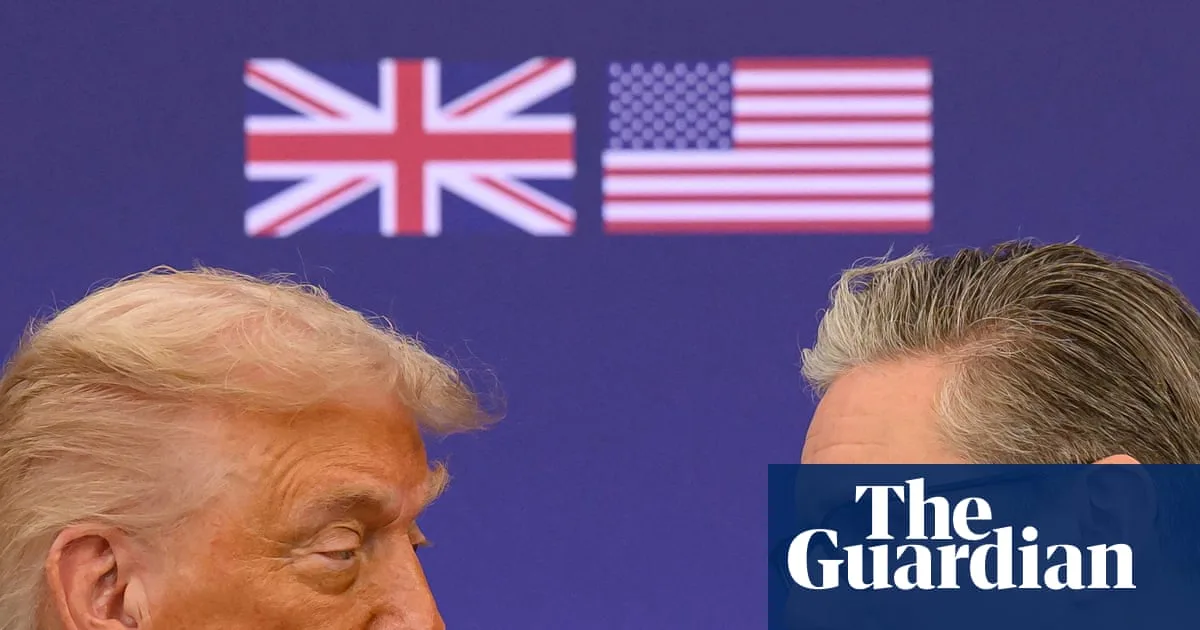
Keir Starmer has indicated backing for Donald Trump’s hardline stance on Iran, describing the prevention of Tehran obtaining nuclear weapons as a 'number one priority'. The Prime Minister stopped short of endorsing potential US military strikes but stressed the need to confront Iran's nuclear ambitions and its crackdown on protesters.
Speaking during a visit to China, Starmer told the BBC: 'The goal or the aim here is that Iran shouldn’t be able to develop nuclear weapons and that is hugely important and, of course, we need to deal with the fact they are repressing protesters, killing protesters.' He added that the UK is 'working with allies to that end'.
When pressed on whether Britain would support further US strikes, Starmer avoided a direct answer, reiterating: 'We support the goal and we are talking to allies about how we get to that goal.' Downing Street later said he would not comment on hypothetical future US actions.
Trump has warned Iran to end its nuclear programme and stop killing protesters, or face potential military action from a US navy fleet deployed in the region. In separate remarks to Sky News, Starmer again focused on the nuclear issue, saying allies are 'absolutely agreed' on ensuring Iran does not develop a nuclear programme.
Thousands are believed to have been killed by Iranian authorities during anti-government protests. The EU recently listed Iran’s Islamic Revolutionary Guard Corps as a terrorist organisation, and UK Foreign Secretary Yvette Cooper has pledged to introduce legislation to proscribe state organisations like the IRGC.




