Keir Starmer Arrives in Paris for Critical Strait of Hormuz Talks
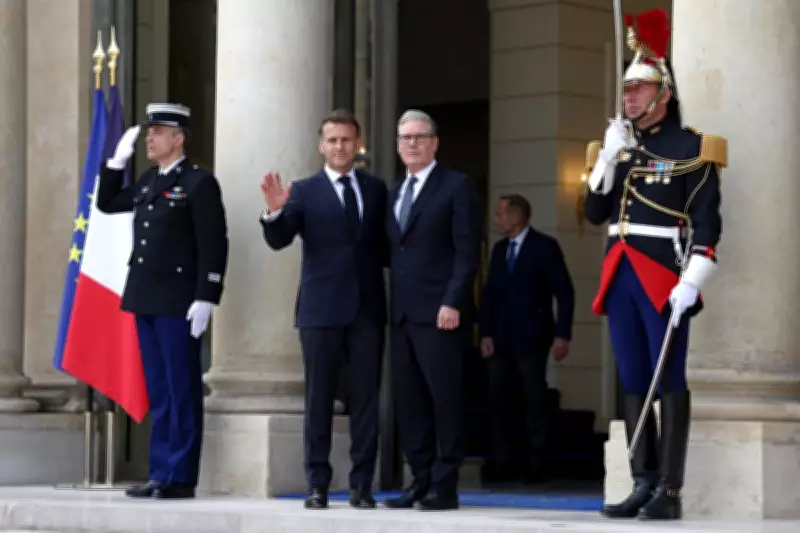
Prime Minister Sir Keir Starmer has arrived in Paris to co-chair urgent multinational talks aimed at reopening the strategically vital Strait of Hormuz. The meeting, hosted by French President Emmanuel Macron at the Elysee Palace, brings together representatives from 40 countries and the International Maritime Organisation to formulate a coordinated response to the escalating crisis.
Iranian Blockade Threatens Global Oil Supplies
The Strait of Hormuz has been under blockade by Iran since late February, following the commencement of joint US-Israeli military strikes against the country. This critical maritime chokepoint, through which approximately one-fifth of the world's oil passes, is now posing a severe threat to global energy security and economic stability.
In a retaliatory move, US President Donald Trump has initiated his own blockade of Iran's oil ports, aiming to cripple Tehran's fossil fuel revenue streams. The American administration has called upon allied nations to assist in ending what it describes as Iran's "stranglehold" on the strait.

Building a Coalition for Freedom of Navigation
Ahead of the Paris summit, Prime Minister Starmer pledged to do "everything I can" to facilitate the reopening of the shipping lane. He emphasised the importance of building a broad international coalition committed to the principles of a permanent ceasefire, a negotiated deal, and guaranteed freedom of navigation through the strait.
Accompanied by Foreign Secretary Yvette Cooper and Chief of the Defence Staff Sir Richard Knighton, Starmer is expected to address the assembly, stating: "Emmanuel Macron and I are clear in our commitment to establish a multinational initiative to protect freedom of navigation. We must reassure commercial shipping and support mine clearance operations to ensure a return to global stability and security."
Diplomatic Efforts Amid Regional Ceasefire
The Paris talks coincide with the implementation of a 10-day ceasefire between Lebanon and Israel, which diplomats hope could create a window of opportunity to extend the fragile truce to include Iran, the US, and Israel. Such an extension is seen as a crucial prerequisite for safely resuming maritime traffic through the Hormuz Strait.
While the United States, Israel, and Iran are not expected to participate in Friday's discussions, Starmer expressed optimism that the meeting could yield tangible progress. "It is very important that we build a coalition of countries around the principle that the ceasefire should be permanent, there should be a deal, and that the Strait of Hormuz is open," he told broadcasters.
Military Planning and Security Concerns
Following the diplomatic discussions in Paris, a multinational military planning summit is scheduled for next week at the UK's permanent joint headquarters in Northwood, north-west London. This meeting will focus on operational details for any potential mission to secure the strait.
However, significant obstacles remain. It is considered highly unlikely that any participating nation will deploy naval assets to the Strait of Hormuz while active hostilities persist. The risk of vessels being targeted from Iran's shoreline is deemed too great, making any military intervention perilous without a comprehensive and durable ceasefire agreement.
The international community watches closely as these diplomatic and security efforts unfold, with the stability of global oil markets hanging in the balance.