
German prosecutors have arrested three Ukrainian nationals on suspicion of plotting parcel bomb attacks on behalf of Russia, according to officials. The men, identified only as Vladyslav T, Daniil B and Yevhen B under German privacy rules, were detained in Germany and Switzerland in recent days.
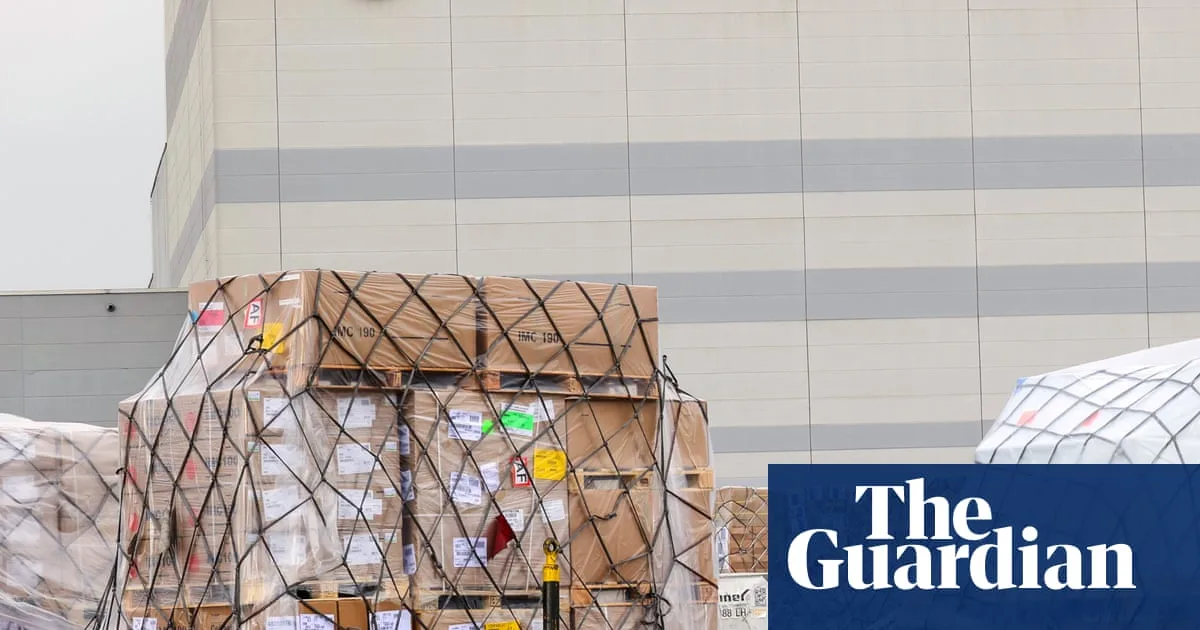
The federal prosecutor's office said the suspects are accused of 'secret agent activity for sabotage purposes' and of agreeing with individuals believed to be working for Russian state institutions to carry out 'aggravated arson' and 'cause a detonation using explosives'. The alleged plot involved sending parcels containing explosives or incendiary devices from Germany to recipients in Ukraine, designed to detonate during transport.
Prosecutors allege that Vladyslav T sent two test packages containing GPS trackers from Cologne in late March to scout transport routes, acting on orders from Yevhen B, who provided the package contents via Daniil B. The test runs alerted security authorities in North Rhine-Westphalia state, whose interior minister Herbert Reul described the threat as a 'hybrid threat' from 'low-level agents' working for Russian services.
The arrests come amid heightened concerns over Russian sabotage campaigns in Europe. Last July, three separate explosions occurred in packages sent from Lithuania, which detonated in Birmingham, Leipzig and near Warsaw. The parcels contained sex toys and massage pillows rigged with timers and flammable gel. German authorities said in October that a plane could have been downed if the devices had ignited in flight.
German Chancellor Friedrich Merz, in his first speech to parliament, condemned murders, cyber-attacks and destruction of undersea data cables across Europe as 'overwhelmingly the work of the Russian state leadership and its helpers'. He pledged Germany would meet these threats 'with the greatest decisiveness'. Germany is the second-largest supplier of military aid to Ukraine after the United States.




