Russian Intelligence Services Recruit Bucha Resident for Bomb Attack on Own Home
A recent bomb attack in the town of Bucha, near Kyiv, has provided a stark insight into the clandestine operations of Russian intelligence services. This incident underscores a disturbing trend where Ukrainians are being drawn online by Russian handlers, often through promises of money or coercion, to carry out sabotage against their own nation.
From Online Gaming to Real-World Sabotage
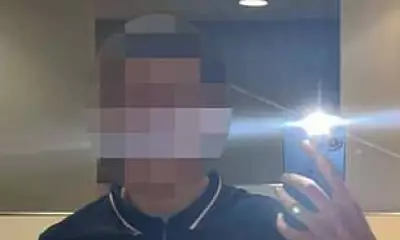
In March, Bohdan Tymchenko, a 21-year-old resident of Bucha, logged onto his computer to play the popular video game World of Tanks. Within less than two weeks, he had planted two explosive devices outside his apartment building. Ukrainian investigators believe that Tymchenko was first approached by a Russian handler in the game's online chat, with further instructions provided via the messaging app Telegram.
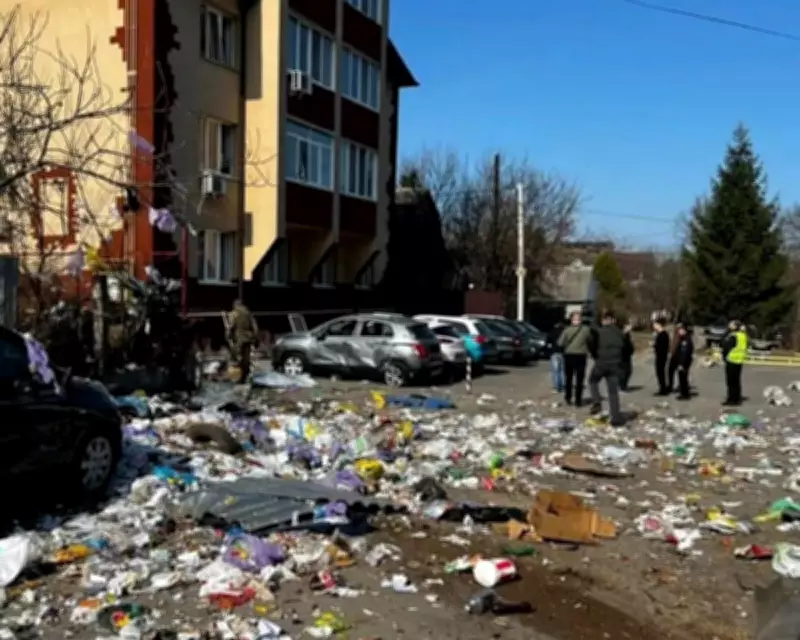
The suspected agent guided Tymchenko step by step on how to source materials, assemble the bombs in his flat, and execute the attack. In return, Tymchenko was promised $1,200 (£900). The explosions occurred in the early hours of the morning, following the pattern of a double-tap attack: an initial blast at around 5:30 am, followed by a second device detonating nearly two hours later, which injured two police officers who had arrived at the scene.

A Deepening Pattern of Recruitment and Sabotage
Dmytro Prokudin, head of the Kyiv regional prosecutor's office, described the incident as a "stab in the back," emphasizing that it represents a growing threat. Ukraine's security service, the SBU, has identified over 800 Ukrainians, including at least 240 minors, recruited by Russia over the past two years. These recruits are tasked with targeting critical infrastructure, draft offices, and other key sites to spread uncertainty, fear, and distrust within Ukraine.
For residents of the apartment block in Bucha, the realization that the threat could come from within their own community has been deeply unsettling. Inna, a pensioner living next door to Tymchenko, expressed her disbelief, stating, "I simply don't understand how this could happen here, done by someone you see every day." Inna survived the town's brief Russian occupation in 2022, during which more than 400 bodies were discovered after liberation, including civilians with their hands bound.
Investigating Motives and Methods
Prosecutors are puzzled by Tymchenko's background, as he comes from a military family: his brother was killed fighting for Ukraine and posthumously awarded a medal for bravery, while his mother serves as a medic in the armed forces. Prokudin noted that investigators are still trying to establish whether Tymchenko was specifically targeted due to his background or approached at random.
In most cases, Russian handlers cast a wide net online, engaging potential recruits in casual conversations before escalating contact. Money is typically the primary motivator, but coercion is also used, such as threatening relatives in Russian-occupied territories. Tymchenko claimed in court that he was blackmailed, with his handler stating they knew his mother's whereabouts and could "see her from a drone."
Broader Implications for Ukraine and Europe
The bombing in Bucha is part of a broader pattern of Russian sabotage activities. Western officials note that Moscow's use of proxies in Ukraine mirrors tactics seen across Europe, where intelligence agencies are grappling with waves of sabotage, arson, and disinformation carried out by individuals recruited online. A senior European intelligence officer, speaking anonymously, stated, "Moscow's sabotage activities in Ukraine mirror what we are seeing elsewhere in Europe. They use the same tactics, the same methods, the same platforms. Ukraine is often the testing ground."
This incident has also exacerbated a climate of distrust in Ukraine, with fake calls being used to lure first responders into traps. Prokudin highlighted an example where police were called to a reported domestic tragedy but hesitated to enter due to fears of a setup. "This is exactly Russia's goal," he said, emphasizing the psychological warfare aspect of these operations.

As Ukraine continues to face these covert threats, the case of Bohdan Tymchenko serves as a grim reminder of the shadowy work of Russian intelligence and the vulnerabilities exploited in the ongoing conflict.