Russia Secretly Aids Iran with US Military Intelligence, Risking Trump's Wrath
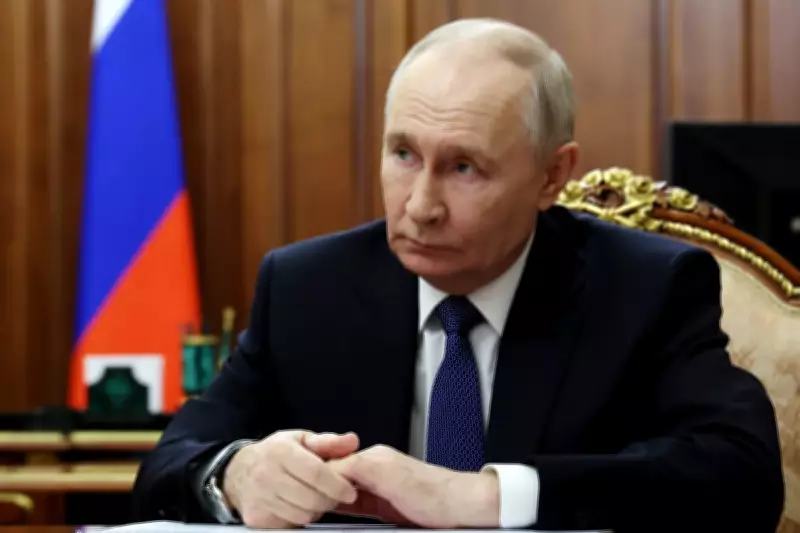
Russia has been covertly providing Iran with critical intelligence on US military assets in the Middle East, a move that could severely impact the already tense relationship between Donald Trump and Vladimir Putin. According to a report from The Washington Post, Moscow has been sharing locations of US warships and aircraft with Tehran since the conflict erupted last Saturday. This development comes as the situation in the region intensifies, with joint US-Israeli strikes reportedly resulting in at least 1,200 casualties in Iran, and hostilities spreading to areas including Azerbaijan and Sri Lanka.
Escalating Conflict and Diplomatic Fallout
The conflict has rapidly escalated, prompting Russia to condemn the actions of the US and Israel as an 'unprovoked act of armed aggression.' This condemnation is notable given Russia's own invasion of Ukraine, highlighting the complex geopolitical dynamics at play. In response, Donald Trump has taken a hardline stance, declaring there would be 'no deal with Iran except unconditional surrender.' Meanwhile, the US Secretary of Defence has indicated that the 'amount of firepower over Iran is about to surge dramatically,' signaling a potential increase in military operations.
Intelligence Sharing and Strategic Implications
The intelligence provided by Russia includes detailed information on the positioning of US naval and air forces, which could enable Iran to better target these assets. This secret assistance raises significant concerns about the broader implications for regional stability and international relations. Experts warn that such actions could lead to a further deterioration in US-Russia ties, especially if Trump perceives this as a direct challenge to American interests. Additionally, Russia has issued warnings about Iran potentially acquiring a nuclear bomb, adding another layer of urgency to the crisis.

As the conflict continues to unfold, the role of external actors like Russia in supplying intelligence to Iran underscores the volatile nature of Middle Eastern geopolitics. The situation remains fluid, with ongoing military engagements and diplomatic maneuvers shaping the future of the region. Observers are closely monitoring how Trump's administration will respond to these developments, given his history of confrontational rhetoric towards both Iran and Russia.