Regional powers are set to convene in Pakistan on Sunday for critical discussions aimed at halting the escalating conflict in the Middle East. This diplomatic initiative comes as approximately 2,500 U.S. Marines have arrived in the region, and Iranian-backed Houthi rebels have formally entered the monthlong war, further complicating the volatile situation.
Diplomatic Efforts and Key Participants
Pakistan has confirmed that Saudi Arabia, Turkey, and Egypt will dispatch their top diplomats to Islamabad for the talks. Pakistani Prime Minister Shehbaz Sharif revealed that he and Iranian President Masoud Pezeshkian have already engaged in "extensive discussions" regarding the ongoing regional hostilities, underscoring the urgency of finding a peaceful resolution.
Global Economic and Humanitarian Impact
The war has precipitated severe global disruptions, threatening supplies of oil and natural gas, sparking fertilizer shortages, and causing significant air travel disruptions. Iran's strategic control over the Strait of Hormuz has further shaken international markets, leading to volatile prices and economic uncertainty.

Military engagements continue unabated, with the United States and Israel conducting strikes against Iran, while Iranian retaliatory attacks have targeted Israel and neighboring Gulf Arab states. The conflict has already resulted in the tragic loss of more than 3,000 lives, highlighting the dire humanitarian crisis.
Houthi Involvement and Trade Threats
The entry of Houthi rebels into the conflict poses an additional threat to global shipping. If the rebels resume targeting vessels in the Bab el-Mandeb Strait off the Red Sea—a critical passage for approximately 12% of the world's trade—it could severely disrupt international commerce and exacerbate economic strains.
Latest Developments in the Conflict
Explosions Rock Irbil as Attacks Target U.S. Sites
Overnight on Saturday, the capital of the semi-autonomous Kurdish region in northern Iraq, Irbil, experienced intense attacks. AP journalists reported nonstop loud explosions and observed at least one drone headed toward American facilities, marking one of the most severe days of assaults since the war began.
Interceptions and drone activity were heard for hours, with drones shot down while attempting to target the U.S. consulate and nearby bases. Iran-aligned militias in Iraq have escalated repeated drone and missile attacks on U.S. bases, including those in Irbil.
In a statement on Saturday, the U.S. condemned what it described as "despicable terrorist attacks" by Iran's militant groups. The strikes on Kurdish regional President Nechirvan Barzani's residence in Irbil earlier that day were labeled "a direct assault on Iraq's sovereignty, stability and unity." Fortunately, the attack caused only material damage, with no casualties reported, as the residence was empty at the time.
Israeli Strikes Kill 17 in Southern Lebanon
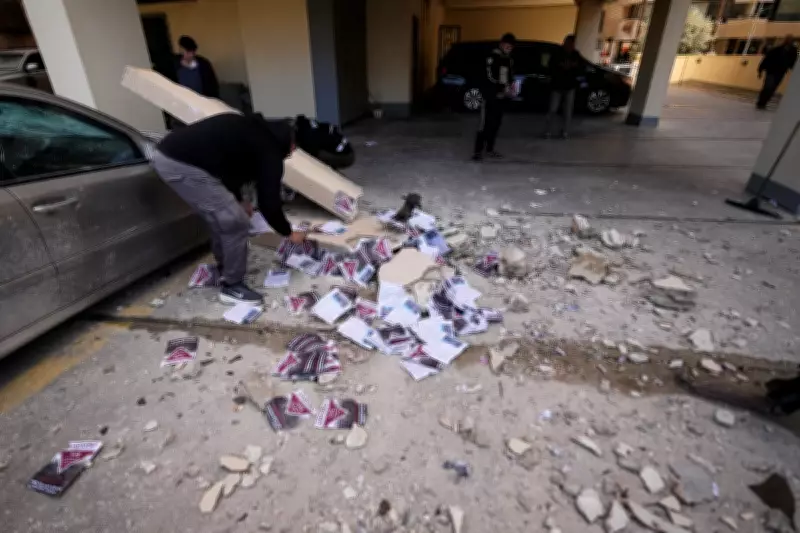
The Lebanese health ministry confirmed that a strike on Saturday evening in Hanniyeh town, Tyre province, resulted in the deaths of six Syrians and one Lebanese person, with nine others wounded. In Nabatiyeh province, a separate strike on Deir al-Zahrani killed seven people and wounded eight, while another strike on Kfartabnit killed three and wounded four.
These incidents underscore the widespread and devastating impact of the conflict across the region, with civilian casualties mounting and stability increasingly fragile.