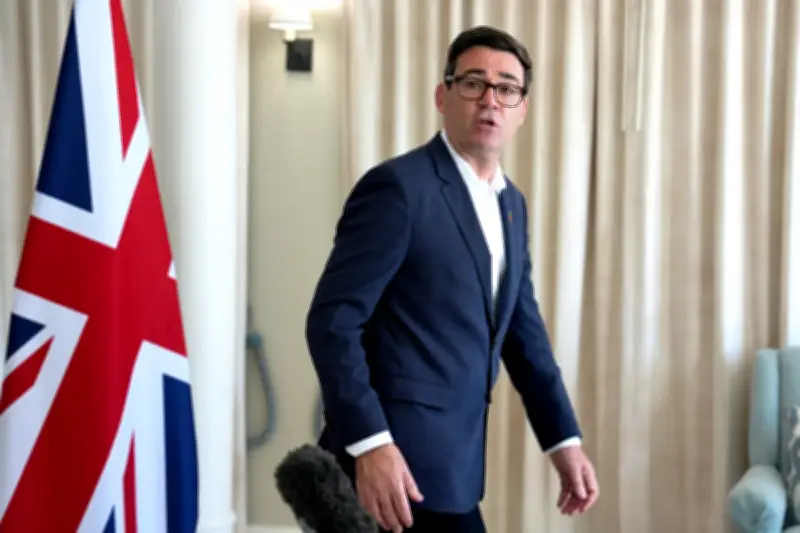
Prime Minister Andy Burnham has confirmed that Russian President Vladimir Putin will not attend next year's G20 summit in Manchester, citing sanctions against leading figures in the Russian administration.
Speaking to The Economist, Mr Burnham ruled out Putin's attendance at the gathering of G20 leaders in 2027, despite Russia being a member of the group of advanced economies. He noted that there are "sanctions against leading figures in the administration" and mentioned "technicalities about invites, because I think they're handled by the G20 rather than by Britain."
US and China Relations at the Summit
Mr Burnham struck a more welcoming tone towards Chinese leader Xi Jinping, saying next year's meeting was an opportunity to strengthen relations with Beijing and push for progress on AI safety. He recalled that Xi visited Manchester in 2015 and said the Chinese president was "warm about that visit."
The Prime Minister said the summit provided a "real opportunity" to build on his predecessor Sir Keir Starmer's visit to China earlier this year, adding: "I think Keir was right to visit." He also praised Tory former prime minister Rishi Sunak for setting up Britain's AI Security Institute in 2023, calling it "a far-sighted move on his part."
Challenges on Global AI Regulation
Asked whether Britain could bring the US and China together to agree on global AI supervision, Mr Burnham acknowledged the difficulty, saying: "As I sit here today, that feels challenging, but we've got to hold out the need to find global agreements on AI." He warned that without such agreements, "the risks of recent times will magnify."
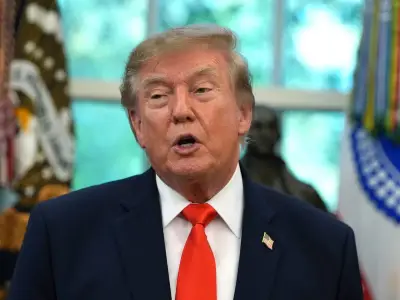
The UK has a longstanding policy not to have direct, bilateral engagement with Russian ministers since the invasion of Ukraine. Tensions have also arisen from the US decision to invite Russia to a meeting of G20 diplomats in Atlanta in October, and Donald Trump has invited Putin to a G20 leaders' summit at his Miami golf club in December.
Mr Burnham said the UK would use its presidency of the G20 to push for international agreement on AI safety, arguing it was in a "unique position" to do so. He concluded: "I think we're really well positioned to go into that year now and make a real success of it."