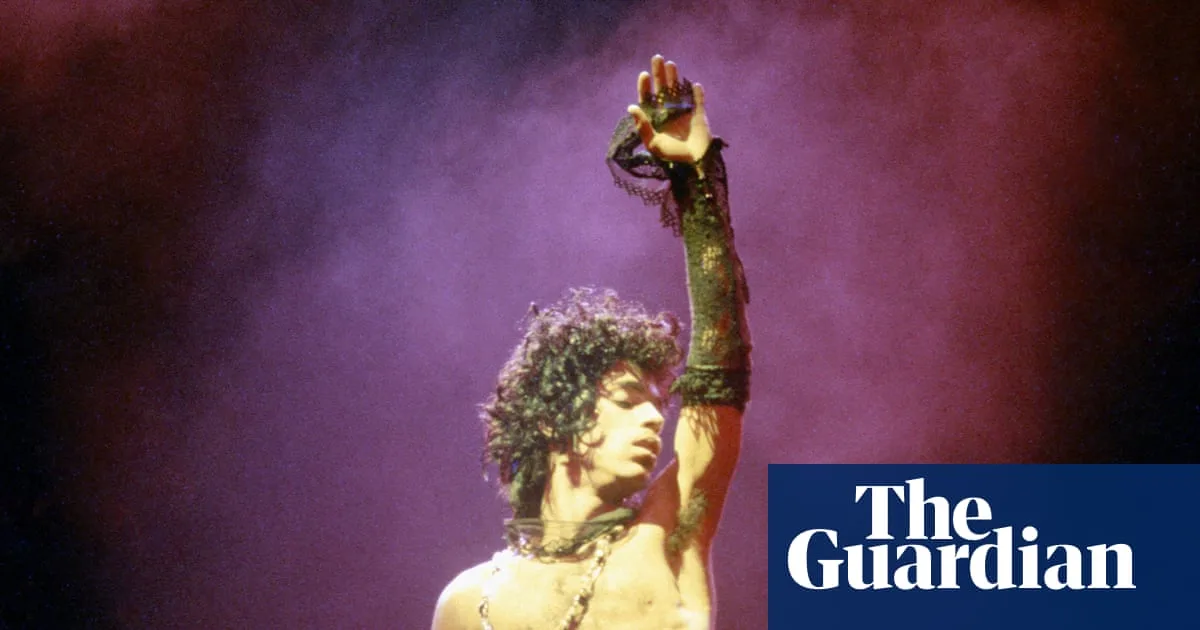
Prince Remembered: Intimate Stories from Friends 10 Years After His Death
Ten years have passed since the world lost Prince, the iconic musician known for his unparalleled talent and enigmatic persona. In a series of heartfelt reflections, those who knew him best—from childhood friends to bandmates and collaborators—share intimate memories that paint a vivid portrait of the artist beyond the stage. These stories reveal a man of profound creativity, unexpected vulnerability, and relentless drive, offering a deeper understanding of his legacy.
George Clinton: A New Version of Sly Stone
George Clinton, the legendary funk singer, first met Prince in 1977 when the young artist was just 19. Clinton recalls Prince's swagger and musical prowess, describing him as a "new version of Sly Stone" who excelled on guitar, keyboards, bass, and drums. Their friendship deepened over late-night calls and shared stories, with Prince often seeking Clinton's advice on escaping venues after concerts. In a poignant moment, Clinton remembers Prince shouting his name during a London show, using the distraction to sneak away, leaving Clinton to face the fans.
Apollonia Kotero: Love and Respect Beyond Collaboration
Apollonia Kotero, who starred alongside Prince in Purple Rain, emphasizes their 33-year bond built on love and respect, not romance. She recounts harrowing moments on set, such as jumping into a freezing lake and suffering hypothermia, with Prince desperately pleading for her recovery. Kotero also shares tender memories, like Prince humming the melody for When Doves Cry into her answerphone and their 3am drives through Hollywood. In his final years, she noticed his declining health and zest for life, with their last words being a simple "I love you."
Childhood Friends: Dreams of Stardom and Heartbreak
Charles 'Chazz' Smith, Prince's cousin and original drummer, reminisces about their youth, when they would gaze at the stars and Prince would declare, "I'm gonna be up there one day." Smith highlights Prince's shy, romantic nature and his astonishment at fan adoration. However, he also reflects on the burdens Prince carried, from grueling work schedules to personal tragedies like the loss of his child, suggesting these pressures may have contributed to his untimely death.
André Cymone, Prince's childhood best friend, recalls their brotherly rivalry and shared ambition to surpass their fathers' musical achievements. He notes Prince's desire to connect with misfits worldwide through his music, blending genres to create a unique sound. Cymone describes the surreal experiences of fame, such as being summoned by limousine for cryptic meetings, and expresses pride in Prince's artistic legacy, comparing him to masters like Picasso.
Collaborators and Insiders: The Genius Behind the Scenes
Mica Paris, a singer and collaborator, shares how Prince unexpectedly handed her a microphone during a London show, leading to a lasting friendship. She admired his thoughtful silence and observed his frailty in later years, culminating in a dream where she believes he said goodbye. Owen Husney, Prince's first manager, describes him as "supernatural" in talent, with a shy demeanor that masked immense self-confidence and a penchant for pranks, like using a fake hand to startle people.
Susan Rogers, an audio engineer, witnessed Prince's hypercreative process, often working through the night with spontaneous inspiration. She recalls his indirect compliments and the loneliness of his artistic vision, sometimes baking him cookies to offer comfort. Susan Moonsie, a friend and vocalist, remembers Prince's intellectual curiosity and their fun times, such as rollerskating in the park, before fame changed their dynamic.
The Band Experience: Discipline and Camaraderie
Bobby Z, drummer in Prince and the Revolution, likens playing with Prince to joining "the purple marines," where relentless rehearsals and creative pressure forged exceptional performances. He notes Prince's discomfort with other celebrities, once making Bruce Springsteen and Madonna use the band's toilet backstage. Matthew 'Dr' Fink, keyboards for the Revolution, recalls early racist incidents during shows and Prince's unwavering confidence to build his own fanbase, alongside strict discipline against drugs and alcohol.
Later Years: Struggles and Spiritual Shifts
Candy Dulfer, a saxophonist, reflects on Prince's androgynous style and how basketball prowess defended him from teasing. She discusses his turn to Jehovah's Witnessism as a coping mechanism for deep pain, including a hip injury that led to painkiller use. Dulfer cherishes human moments, like Prince's kindness to her mother, over grand shows. Sananda Maitreya (formerly Terence Trent D'Arby) felt a mirror-like connection with Prince, admiring his philosophical depth and urgency to create.
LeRoy Bennett, a lighting director, describes Prince's demanding nature and their creative synergy, despite initial harsh tests. He reveals that Prince once said he didn't want to live past 35, making his additional decades a gift to the world. These recollections collectively underscore Prince's multifaceted legacy—a genius who inspired millions while grappling with personal demons, leaving an indelible mark on music and culture.






