
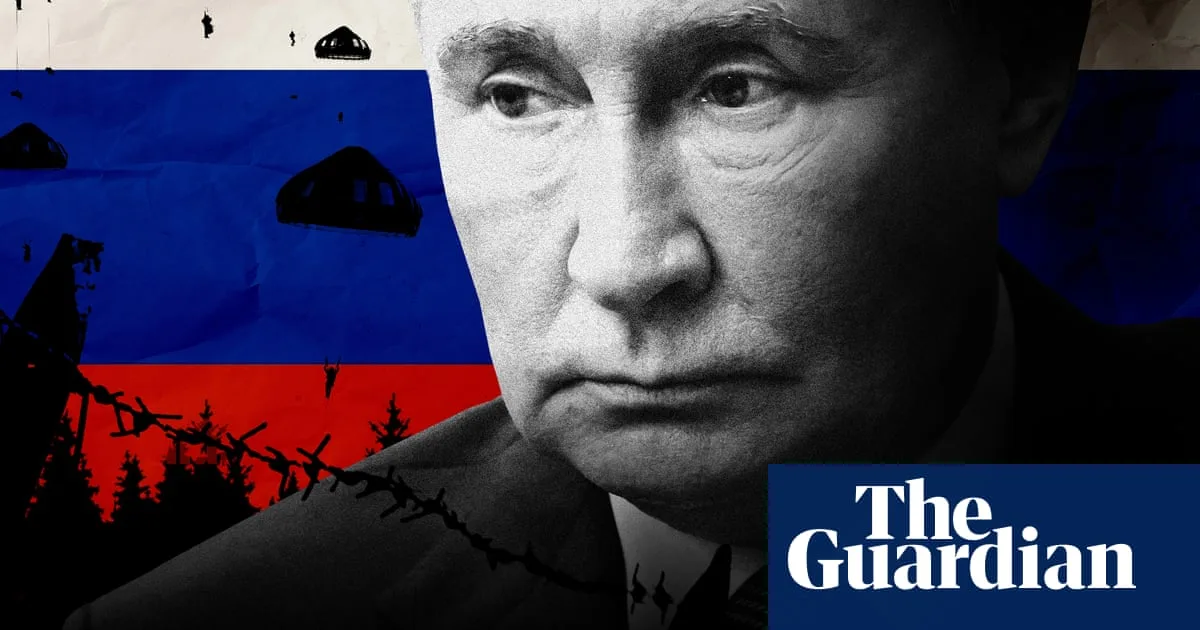
Poland and the Baltic states are increasingly concerned that the United States may not fulfil its NATO obligations if Russia attacks, according to interviews with dozens of officials from the region. The uncertainty stems from rhetoric and policy shifts under the Trump administration, which has signalled a reduced focus on European security.
In mid-May, US undersecretary of state Thomas DiNanno was asked directly at a gathering in Tallinn whether American troops would fight if Russia invaded the Baltic states. He gave a meandering answer that did not include the word 'yes', prompting further unease among allies.
Publicly, politicians from the region often downplay the issue, insisting that Washington's commitment to NATO remains strong. However, in private, discussions are taking place about how Europe would respond if the US did not come to its aid. One senior official described a sense of 'bemused disillusionment', comparing the situation to a father figure behaving incomprehensibly.
The first warning came in February 2025, when US defence secretary Pete Hegseth told NATO allies that European security would no longer be a priority for Washington. He urged Europe to pay for its own defence, stating that 'there is no replacement for hard power'. The remarks have prompted debate about whether Europe should try to keep Trump on side or prepare for a potential US withdrawal.




