Pakistan's Patience Wears Thin as Taliban Strategy Unravels
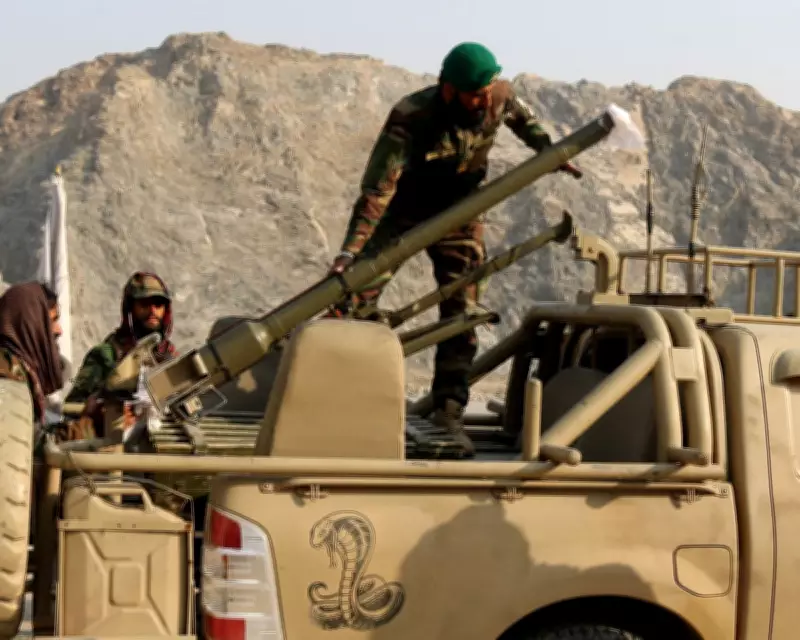
In a dramatic escalation of tensions, Pakistan has launched airstrikes in Afghanistan, with troops from both nations clashing at the border. This conflict marks a stark reversal from Pakistan's initial optimism following the Taliban's rise to power in 2021, when then-spymaster Lt Gen Faiz Hameed assured reporters in Kabul that "everything will be OK." Defence Minister Khawaja Muhammad Asif has declared that Pakistan's patience has run out after repeated calls for the Taliban to prevent Pakistani militants from using Afghan soil as a sanctuary for attacks.
Blowback from Proxy Support
Analysts describe the situation as a severe case of blowback. Kamran Bokhari, a senior director at the New Lines Institute, warns that supporting proxies who challenge national identity can lead to them turning their weapons against their benefactors. This mirrors past accusations by the US-led coalition, which alleged Pakistan allowed the Taliban safe haven before 2021. Hillary Clinton's 2011 remark to Pakistan—"You can't keep snakes in your back yard and expect them only to bite your neighbours"—now resonates with ironic force.
The Taliban deny harboring militants, urging Pakistan to negotiate with the Tehreek-e-Taliban Pakistan (TTP), the group behind many attacks. The TTP, which emerged in 2007 and weakened before the Taliban's Kabul takeover, has seen a resurgence, seeking to impose its extreme Islamist vision on Pakistan. Historically, the Taliban and TTP fought together against international forces, with the TTP hosting Afghan jihadists in Pakistan. Now, with the Taliban in power, the TTP is cashing in on old debts.

Strategic Miscalculations and Blurred Lines
Pakistan's military once distinguished between "good" Afghan insurgents and "bad" Pakistani ones, but this line has blurred as many Taliban members join the TTP post-jihad in Afghanistan. Mosharraf Zaidi, spokesperson for Prime Minister Shehbaz Sharif, rejects claims of comeuppance, insisting Pakistan's stance has always been to stop terrorism. However, Antonio Giustozzi of Rusi notes that Pakistan's airstrikes may have strengthened Taliban leader Haibatullah Akhundzada by fueling Afghan nationalism.
Further complicating matters, the Taliban are reportedly supporting a secular insurgency in Balochistan, aiming to separate the resource-rich province. The TTP, under Noor Wali Mehsud, has unified its factions and shifted tactics to target military and police rather than civilians. Asif Durrani, former special envoy for Afghanistan, states the Taliban chose the TTP over Pakistan, behaving more like militants than a government in a war economy.
Pakistan's predicament stems from decades of instability in Afghanistan, driven by fears of Indian influence post-9/11. While seeking a friendly Afghanistan via the Taliban, Islamabad maintained its US alliance, sparking radical backlash at home from the TTP. This group has been linked to high-profile atrocities, including Benazir Bhutto's assassination and the Peshawar school massacre. The current border clashes underscore the perilous fallout of miscalculated alliances in a volatile region.