Pakistan's Military Leadership Attempts to Broker US-Iran Negotiations
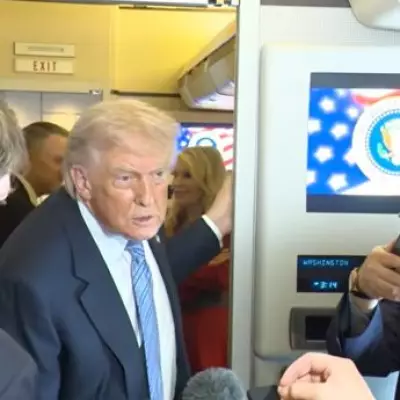
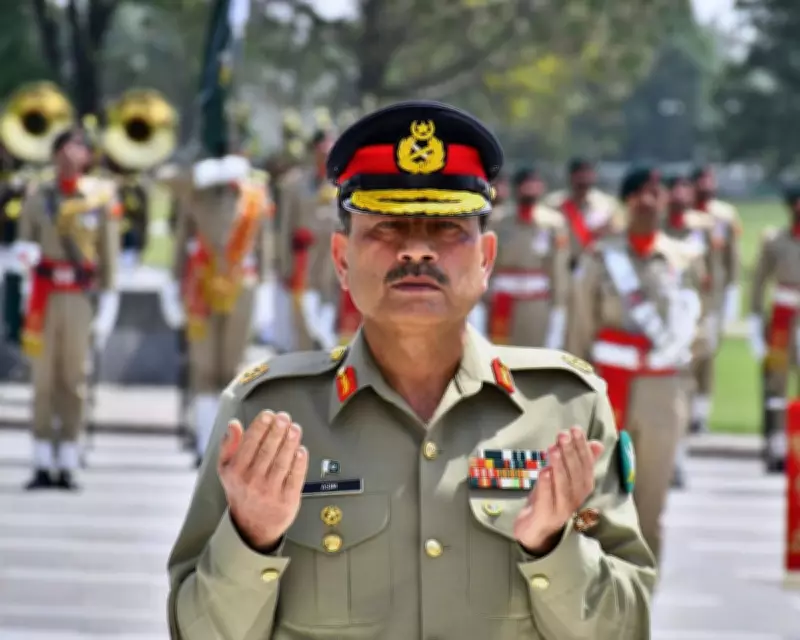
Pakistan's chief of army staff, General Asim Munir, engaged in a critical telephone conversation with US President Donald Trump on Sunday, focusing on the escalating conflict between the United States and Iran. Diplomatic sources indicate that this dialogue could pave the way for peace talks to be held in Islamabad as early as this week, although no formal agreement has been reached yet.
Potential Venue and Negotiators for Peace Discussions
While Islamabad has not been officially confirmed as the venue for any negotiations, sources reveal that Tehran prefers the Pakistani capital over other options such as Qatar, Turkey, or Egypt. On the US side, Vice-President JD Vance is being considered as the probable chief negotiator if talks proceed, rather than Trump's Middle East envoy Steve Witkoff or his son-in-law Jared Kushner, who previously led nuclear discussions with Iran.
Vance is widely perceived as a sceptic of the US decision to bomb Iran and has maintained a low profile during the conflict, making him a more acceptable interlocutor for Iranian officials. An Iranian diplomatic source emphasised that there is "zero trust" in Washington regarding previous negotiators, stating, "With Witkoff and Kushner, nothing will come out of it. We have seen that in the past."

Diplomatic Efforts and Regional Dynamics
Following the call between Trump and Munir, Pakistan's Prime Minister Muhammad Shehbaz Sharif spoke with Iranian President Masoud Pezeshkian on Monday. Both leaders agreed on the urgent need for de-escalation, dialogue, and diplomacy. However, Iran's parliamentary speaker, Mohammad Bagher Ghalibaf, has dismissed reports of talks as "fake news," though he is seen as the most likely lead negotiator for Iran.
Pakistan's role as a mediator is bolstered by its close relationship with Trump, who has referred to Munir as his "favourite field marshal," and its strategic ties with Gulf countries affected by Iran's retaliatory strikes. Additionally, Pakistan hosts the second-largest Shia Muslim population after Iran, adding cultural and religious significance to its diplomatic efforts.
Economic Pressures and Market Reactions
The conflict has severely impacted Pakistan's economy, as most of its oil and gas imports pass through the Strait of Hormuz, currently blockaded by Iran's military. This has led to costly shortages and rising fuel prices. Trump's announcement of potential talks helped stabilise markets, with oil prices dropping sharply to below $100 per barrel, the lowest in days.
Trump has issued a five-day ultimatum, threatening to target Iran's infrastructure if the strait is not reopened, but he also expressed willingness to halt strikes, citing "strong talks" with Iranian officials. The White House declined to comment on the reports, stating, "These are sensitive diplomatic discussions and the United States will not negotiate through the news media."
Pakistan's foreign ministry affirmed its readiness to host talks, advocating for dialogue to promote regional peace and stability. As diplomatic efforts continue, the international community watches closely, hoping for a breakthrough in this tense Middle East crisis.