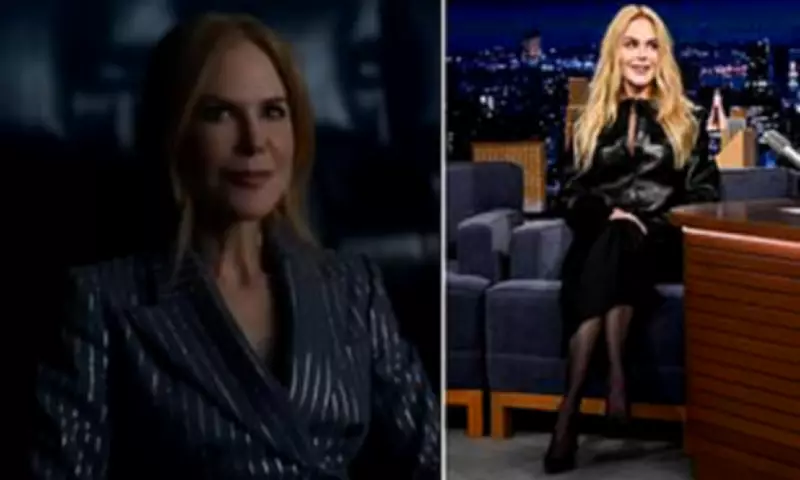
In a surprising revelation, acclaimed Australian actress Nicole Kidman has disclosed that she received absolutely no payment for her starring role in the iconic 2021 advertisement for American movie theatre chain AMC. The commercial, which became a viral internet meme and garnered over 1.7 million views on YouTube, was part of a substantial multimedia marketing initiative exceeding $25 million, designed to encourage audiences back to cinemas following the coronavirus pandemic.
The Shocking Admission on National Television
During a recent appearance on The Tonight Show with Jimmy Fallon, Kidman, now 58, candidly shared the unexpected financial details behind the advertisement's production. "The weirdest thing about that... I had no idea that thing was gonna work. We did it out of the purest intentions," she explained, emphasising the altruistic motivation behind her involvement.
Kidman elaborated that she actively "called in all these favours" to assist AMC with filming the campaign. This included reaching out to esteemed screenwriter Billy Ray, known for Captain Phillips, and director Jeff Cronenweth, celebrated for his cinematography on The Girl with the Dragon Tattoo. Her primary goal was to support struggling cinemas during the challenging Covid-19 lockdown period.

A Collaborative Effort During the Pandemic
"It was during Covid when we did it, and the crew that I was working with on Being the Ricardos, I said, 'Would you guys be willing to do this?'" Kidman recalled. She further noted that Cronenweth volunteered to direct the advertisement, stating, "I'll direct it." The collective effort was entirely pro bono, with Kidman affirming, "We did it for nothing. And then it went off."
The advertisement itself features Kidman arriving at an AMC theatre, removing her jacket hood, and settling into a seat to watch a film. Her narration poetically describes the unique magic of the cinematic experience, a message intended to resonate with viewers. Notably, the ad was played in theatres before movie screenings, leading to its viral status as audiences humorously questioned why an ad promoting cinema attendance was shown to people already present in a cinema.
The Scale and Impact of AMC's Marketing Campaign
This revelation is particularly striking given the advertisement's context within AMC's extensive, high-budget marketing strategy. The campaign, described by AMC as the "first national advertising program by a major theatrical exhibitor in the history of cinema," involved a comprehensive multimedia rollout.
Key components of the campaign included:
- National television advertising across the United States, with commercials premiering on September 12, 2021.
- Online and social media advertisements launched on September 8, 2021.
- International reach, with funding utilised in nine European countries through AMC's Odeon Cinema Group.
The majority of the over $25 million budget was allocated to network television advertising. The campaign featured multiple cinematic commercials, crafted in durations of 60, 30, and 15 seconds, all aimed at highlighting the "emotion and experience" of big-screen film viewing.
Creative Talent Behind the Campaign
The advertisements were directed by Academy Award nominee Jeff Cronenweth and his brother Tim Cronenweth, while the script was thoughtfully penned by Oscar-nominated screenwriter Billy Ray. In a statement to The Hollywood Reporter at the time, AMC Theatres CEO Adam Aron asserted, "It was high time for an industry leader like AMC to go on television to remind today's audiences of the magic that can only be found in a movie theatre."
Kidman's unpaid contribution, driven by a genuine desire to aid the cinema industry during a period of unprecedented hardship, underscores the profound community spirit that emerged within the entertainment sector amidst the pandemic. Her actions, coupled with the collaborative efforts of high-profile creatives, transformed a simple advertisement into a cultural phenomenon, demonstrating that impactful support can sometimes transcend financial compensation.