
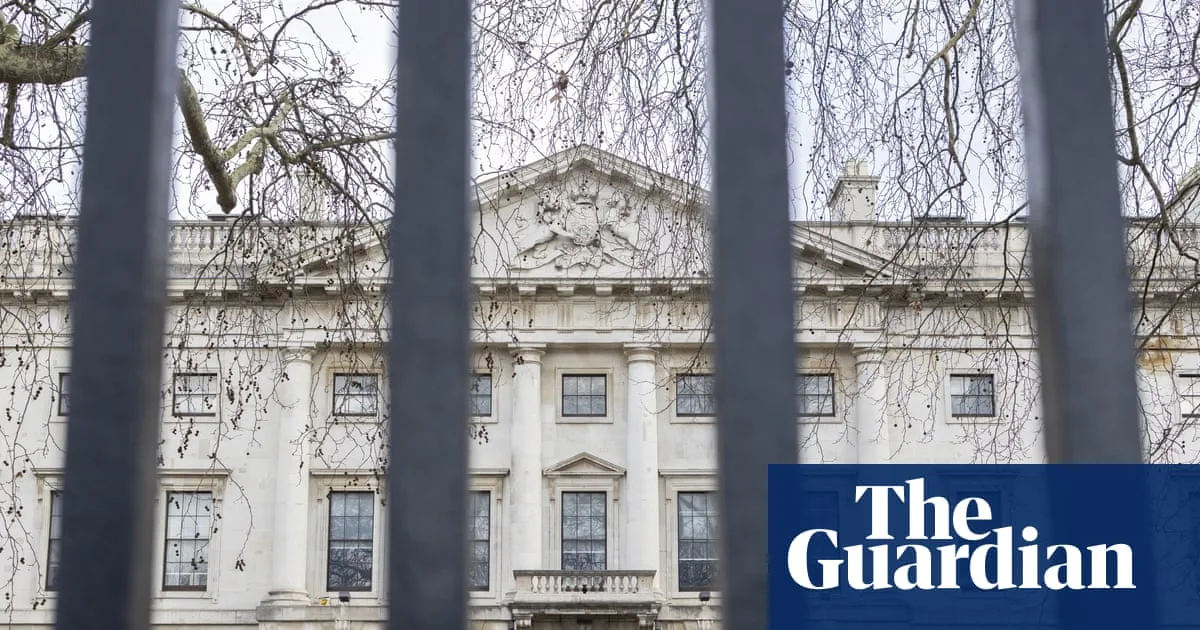
The communities secretary, Steve Reed, has granted permission for China to construct a vast new embassy at Royal Mint Court near the Tower of London, after intelligence chiefs assured him that national security risks could be managed. The decision paves the way for Prime Minister Sir Keir Starmer to visit Beijing in the coming weeks, though local residents plan to mount a legal challenge that could delay the project for months or years.
Reed concluded that ethical or political objections to the embassy were not material planning considerations, noting that neither the Home Office nor the Foreign Office, after consulting police and intelligence agencies, raised site-specific security concerns. The proximity of underground data cables running into the City of London was not considered a problem, as cable owners also expressed no objections.
In a joint letter, MI5 head Ken McCallum and GCHQ head Anne Keast-Butler acknowledged it was unrealistic to eliminate all risks but stated they had formulated a package of proportionate national security mitigations. The cross-party Intelligence and Security Committee endorsed this view, though its chair Lord Beamish criticised the process as poorly coordinated and lacking detail.
Mitigations include allowing intelligence agencies to monitor the site’s perimeter to prevent tampering with underground cables and retaining public access for emergency services. The embassy will consolidate seven existing diplomatic sites into one, which MI5 indicated would ease monitoring. Any espionage or harassment of dissidents would be handled through other legal processes.
Opponents, including Conservative MPs Priti Patel and Iain Duncan Smith, condemned the decision as creating a colossal spy hub in central London. Downing Street countered that embassies are a normal part of international relations and described critics as either naive or recklessly isolationist.




