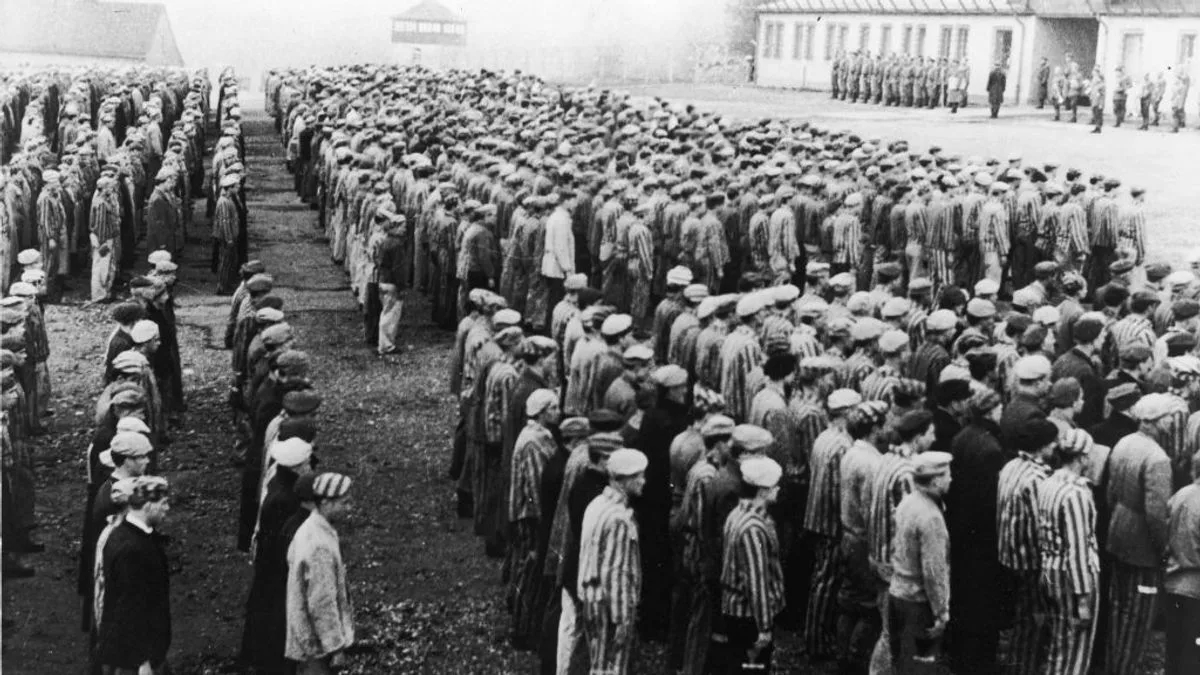
German Culture Minister Wolfram Weimer has been urged to withdraw from a speech at the Buchenwald concentration camp memorial, as survivor groups accuse him of a “lack of understanding” for victims. The open letter from two Buchenwald associations, representing families of former prisoners, calls for his exclusion from the 12th April commemoration marking 81 years since liberation.
The groups object to Weimer’s repeated use of a line by poet Heinrich Heine — “The baptismal certificate is the ticket to European culture” — which they argue implies that Nazi victims and their descendants exist outside European culture. Further controversy arose after Weimer removed three left-wing bookshops from a national prize shortlist, citing security risks; the associations noted that left-wing literature was confiscated from their relatives by the Gestapo.
However, the backlash has drawn sharp opposition from some Jewish organisations. Josef Schuster, head of Germany’s Central Council of Jews, and Israel’s Ambassador Ron Prosor have publicly supported Weimer, with Prosor calling him “one of the clearest voices in the fight against antisemitism.” Buchenwald Memorial director Jens-Christian Wagner also backed the minister, stating his presence would send a “very important signal” amid rising extremism.
Separately, the memorial criticised plans by far-left and pro-Palestinian activists to protest under the slogan “Kufiyas in Buchenwald,” calling it a “completely inappropriate instrumentalisation” of Holocaust remembrance. Despite the disputes, Weimer’s office confirmed he intends to attend and deliver his speech.