We have been promised peace deals before, of course, and the full details of what Washington and Tehran are reported to have tentatively agreed remain to be seen. However, some things are already crystal clear: there are winners from the 12-week conflict, and major losers, too. And whatever agreement is eventually reached, the Middle East has been reshaped.
The Losers
First, the losers – Israel in particular. Its two friends in the Gulf – Bahrain and the UAE – have been economically damaged by Iranian missiles. Meanwhile, Tehran's blockade of the Persian Gulf has left them unable to export oil. The UAE had led the region's efforts to diversify away from hydrocarbons, but business and tourist-friendly policies – drawing investors and influencers to Dubai, for example – cannot work under the threat of drone strikes. The Sunni rulers of these oil-rich states are now desperate for a settlement with Shiite Iran.
Israel's prime minister, Benjamin Netanyahu, is widely thought to have been the one who persuaded US President Donald Trump to attack Iran in the first place, at a secret White House meeting back in February. This was in the apparent belief that the mullahs could be forced from power with bombs. Yet the Islamic Revolutionary Guard Corps continues to control Tehran, an awkward fact that will make Israel's coming general election tricky for Netanyahu. Most Israelis support a hard line against Iran and its two proxies on their borders – Hezbollah in Lebanon and Hamas in Gaza. However, three years after the bloody Hamas outrage on October 7, Netanyahu has won only tactical victories. Despite assassinating the leaderships of Iran and its proxies, thousands of enemy rockets and fighters are still in place.

Britain and Europe are losers, too. The oil shock means that inflation and interest rates are rising, putting paid to any hopes for badly needed growth. Worse, the continent has been exposed militarily. Europeans, including most Britons, are angry at Trump – not without reason – but gloating over a setback for the US cannot disguise our weakness and continued dependence on Washington for defence from threats closer to home than Iran.
Its vast resources – and two great oceans – might seem to insulate the US from the worst consequences of its actions in the Gulf, yet Washington is hardly a winner. Trump can, and will, claim that Iran's capacity to make a nuclear bomb has been severely reduced, yet that was the case before the latest round of conflict began. Washington has spent billions reducing much of Iran to rubble, yet it is hard to see any final outcome that is not worse for America and its allies than the situation before the first bomb was dropped.
The Winners
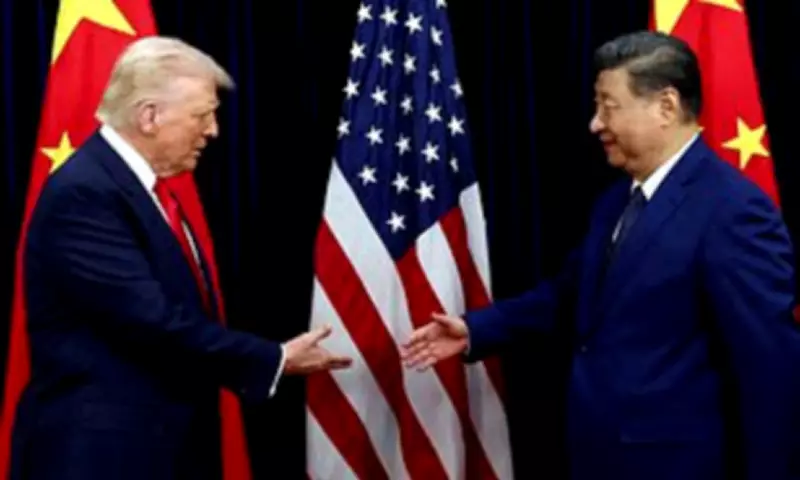
Which brings us to the winners. Who doubts that Trump's visit to China last week set the stage for compromise and the terms of his retreat from the Gulf? Without humiliating Trump, China's President Xi Jinping and his Pakistani allies – who staged the negotiations – seem to have quietly manoeuvred America and Iran into a deal that suits Beijing nicely. World trade, not only in energy, can sputter back to life. China will be seen as the arbiter of peace. If negotiations fall apart, it won't be Beijing that gets the blame.
Russia, too, is just about a winner. Although infuriated to see Iran, a leading ally, so badly mauled, Putin has made billions of dollars from the spike in oil and gas prices. Worse, Tehran knows it can have – when it chooses – de facto control over the Strait of Hormuz, the world's most important shipping lane for oil and gas. Putin has also had the pleasure of seeing the conflict poison relations between Washington and European capitals – which the US blames for failing to support Trump's 'little excursion'.
As for Iran, it is certainly suffering economically and badly needs Trump to call off the dogs of war. Yet there are good reasons to think its new leaders are even more intransigent, more hardline than the predecessors killed by precision strikes from America and Israel. Worse, Tehran knows it can have – when it chooses – de facto control over the Strait of Hormuz, the world's most important shipping lane for oil and gas, a lamentable development for world trade in general and Iran's opponents in particular.

Conclusion
In the short term, Iran, China and Russia can be mightily pleased that Trump looks set for a climbdown having achieved little. But remember this: only the US President can decide if any deal is acceptable. After he faced down the Soviet Union in the Cuban Missile Crisis in October 1962, President John F Kennedy warned his team not to boast because he didn't want humiliated Kremlin hardliners to overturn the agreement. Let's hope Iran's Supreme Leader, Ayatollah Khamenei Jnr – today's victor on points – is an unlikely JFK. And that he reins in the sort of triumphalism likely to provoke Trump into a disastrous Round Three.
Mark Almond is director of the Crisis Research Institute, Oxford.