The clock is ticking on the fragile Iran war ceasefire as both sides gear up for a potential escalation in hostilities while hopes for an imminent breakthrough diminish.
Trump's shifting stance
US President Donald Trump claimed a settlement could come soon before insisting he had told negotiators not to “rush into a deal,” whilst Tehran warned that lasting peace is not “imminent.” Western sources told the Mirror that war could resume within days as all sides, including Israel, prepare their militaries for more bloody conflict.
Iran's military capacity
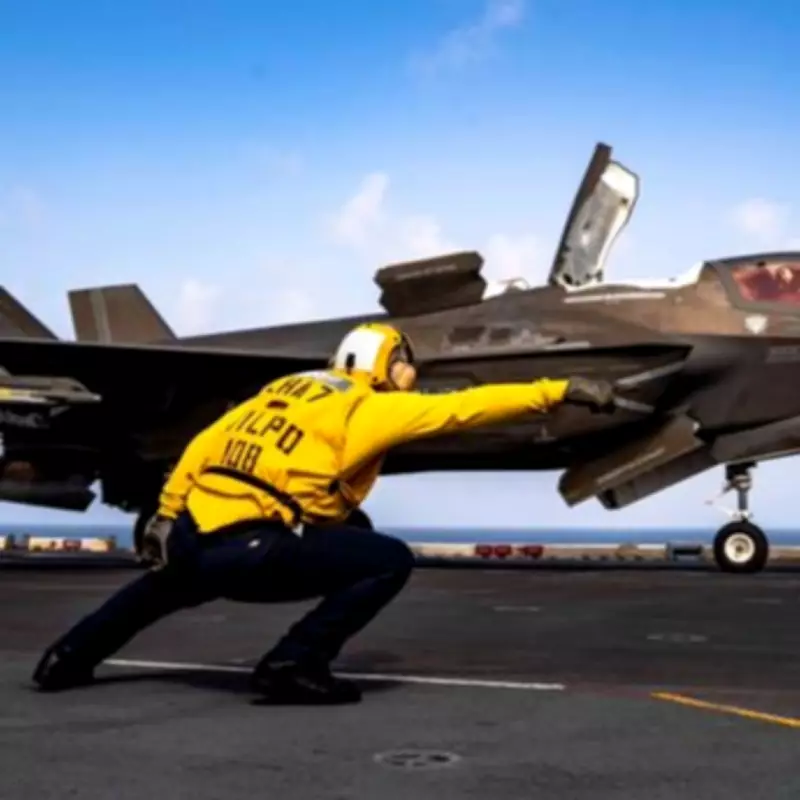
American intelligence now believes Iran has retained as much as 70 per cent of its missile capability and has continued strengthening its drone potency. Meanwhile, the US military has spent since the April 8 ceasefire started resupplying its armada of aircraft carriers and destroyers parked off the Oman coast. Military hardware, including a large number of the US air force’s Boeing KC-135 Stratotanker refuelling planes, has passed through Israel in recent days.

Potential deal terms
One source told the Mirror: “The latest deal being talked about includes the phased reopening of the Strait of Hormuz and an end to the US maritime blockade of Iran. It also includes the release of around £20 billion in frozen Iranian assets, relief from sanctions and a 60-day timeline for a subsequent deal on the Iranian nuclear programme. But across the intelligence community, portions of Iranian drone production have resumed, taking advantage of the ceasefire.”
The source added that China and Russia have played a “significant part in Iran’s supply chains” and noted: “The timeline for continuation of targeted strikes is narrowing by the day.”
Iran's stance and leadership
Iran’s Foreign Ministry spokesman Esmaeil Baghaei says some progress has been made in talks on “a large portion of the discussion topics.” But he warned that this does not mean that “the signing of an agreement is imminent.” There are increasing reports that Supreme Leader Motjaba Khamenei, rumoured to be seriously injured in a strike at the beginning of the war, is deep in hiding. This has further delayed negotiations as officials may have to travel to see him for updates on the peace negotiations.
Key sticking points
The reopening of the Strait of Hormuz is the number one issue, and the Iran nuclear situation remains a long-term thorn in the negotiation’s side. Iran is insisting on maintaining some control of the Strait of Hormuz and the inclusion of Lebanese Hezbollah in any lasting peace—the latter an unacceptable proposal to Israel.
Military deployments
British Type 45 air-defence destroyer HMS Dragon has integrated into the French Navy’s FS Charles de Gaulle carrier strike group in the Gulf of Aden/Horn of Africa region. Both the strike group and Dragon have deployed to provide security capability if the Strait of Hormuz is reopened. The war erupted in late February, and Dragon deployed to waters off Cyprus in the Eastern Mediterranean. France deployed the Charles de Gaulle CSG to the Eastern Mediterranean, too. Following the conflict ceasefire, in early May, first the French CSG and then Dragon sailed through Suez into the Red Sea.
Background and implications
In the 12 weeks since the US and Israel launched the war with attacks on Iran that killed senior officials including Supreme Leader Ayatollah Ali Khamenei, a fragile ceasefire has held since April 7. An end to the war would ease concerns throughout a region that saw Gulf havens and travel hubs like the United Arab Emirates struck by Iranian missiles and drones. It would allow for global shipping, including an estimated 20% of the world's oil and natural gas, to begin flowing through the Strait of Hormuz again. It would also allow the rebuilding of energy and other infrastructure in the region.