Lebanon's Fragile Ceasefire Amidst Devastating Conflict
The announcement of a 10-day ceasefire in Lebanon by former US President Donald Trump on Thursday has been met with both desperate hope and profound caution. This deeply scarred nation, caught in a war not of its making, faces a humanitarian catastrophe as Israeli airstrikes have reportedly killed more than 2,100 individuals, including at least 172 children, with thousands more injured and one-fifth of the population displaced.
A War of Escalation and Destruction
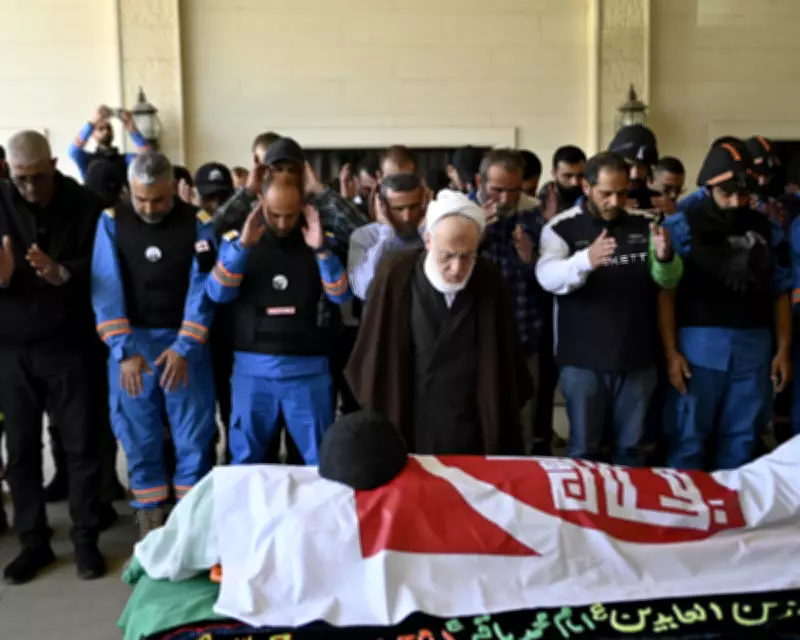
Lebanon was pulled into this crisis following Trump's illegal war on Tehran, yet was initially excluded from last week's US-Israel-Iran ceasefire. This omission preceded what became known as "Black Wednesday," when Israel unleashed 100 strikes in just 10 minutes, killing hundreds. The violence has continued unabated, with Israeli forces destroying the last bridge linking southern Lebanon to the rest of the country and striking a school on Thursday. At least four paramedics were killed the previous day, adding to scores of medical volunteers who have perished.
Israel's military actions have been described by its own defence minister as modelled on operations in Gaza, with whole villages being wiped from the map as Israel occupies vast swathes of land. The displacement of over a million people has created a secondary crisis, with communities fearing retaliation for harbouring those fleeing the attacks.

The Complex Geopolitical Landscape
Tuesday's direct talks between Lebanon and Israel marked a striking departure, yet Lebanon's government finds itself in an impossible position. While not fighting this war, it does not control Hezbollah, which is engaged in the conflict. The government has attempted to assert itself, announcing the expulsion of Iran's ambassador a month ago, though he remains in place. Lebanese President Joseph Aoun has rejected a US request to speak with Israeli Prime Minister Benjamin Netanyahu, highlighting the limits of diplomatic engagement.
Hezbollah's rocket attacks, launched in retaliation for the killing of Iran's supreme leader, triggered this war, generating real anger among Lebanese citizens. However, Israel's devastating assaults have simultaneously made the Lebanese government and army appear impotent, driving desperate civilians toward the militant group for protection.
A Ceasefire Built on Shifting Sands
The prospects for lasting peace are irrevocably tied to US-Iranian discussions, with a vast gulf separating the sides. Israel demands Hezbollah's disarmament in the midst of war, while Hezbollah insists on Israeli withdrawal. Netanyahu, who made a surprise visit to Lebanon's south this weekend, has stated Israel will expand what it calls a "buffer zone" to protect its citizens. Permanent war suits the Israeli prime minister, whose far-right coalition partners are determined to expand Israel's borders.
There is growing disquiet in countries that have long supported Israel, including the United States, regarding its actions. This must translate into genuine pressure for change. Lebanon faces a dismal choice between Iranian and Israeli domination, with the spectre of sharpened social and communal divisions in a country that endured years of civil war looming large.
Any pause in hostilities is welcome, but it must be sustained and truly stop the bloodshed. The Israeli military has killed hundreds of Palestinians since Gaza's ceasefire was declared, and Israel was conducting strikes in Lebanon before this war despite previous ceasefires. This latest truce remains fragile when those seeking it prioritize their own interests over civilian protection.