Lebanon Ceasefire Maintains Fragile Calm Amid Regional Tensions
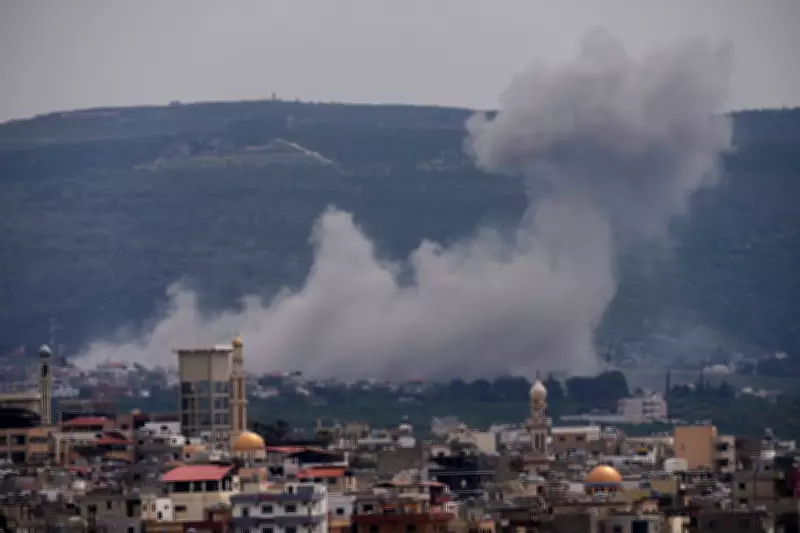
A 10-day ceasefire announced by U.S. President Donald Trump and agreed upon by Lebanon and Israel appeared to be holding in Lebanon early Friday, offering a tentative respite in the conflict. This development potentially bolsters efforts to extend a broader ceasefire involving Iran, the United States, and Israel, though uncertainties linger over a lasting deal before the truce expires next week.
Diplomatic Moves and Sticking Points in Mediation
The pause in fighting between Israel and Hezbollah, the Iranian-backed militant group operating within Lebanon, may signal incremental progress in negotiations. Hezbollah has emphasised that any ceasefire must be comprehensive across all Lebanese territory and restrict Israeli movement. Israeli Prime Minister Benjamin Netanyahu stated his agreement to the ceasefire to advance peace efforts with Lebanon, but clarified that Israeli troops would not withdraw.
Mediators are actively working to bridge gaps on three critical issues: Iran's nuclear program, the reopening of the Strait of Hormuz, and compensation for wartime damages. The strait's closure has exacerbated a global energy crisis, making its reopening a priority for the U.S. and international community. In response, the leaders of France and the U.K. are set to gather numerous countries on Friday to push forward plans to reopen the strait, notably without U.S. participation.

Human Cost and International Efforts
The conflict has resulted in significant casualties, with at least 3,000 deaths in Iran, over 2,100 in Lebanon, 23 in Israel, and more than a dozen in Gulf Arab states. Additionally, thirteen U.S. service members have been killed. Amidst this, international diplomacy continues, as evidenced by Pakistan's army chief meeting with Iran's parliament speaker on Thursday to advocate for extending the ceasefire, which has paused nearly seven weeks of war.
Global Energy and Trade Implications
The blockade of the Strait of Hormuz has forced nations to seek alternative energy routes. In a notable development, a South Korean-flagged tanker carrying crude oil from Saudi Arabia safely exited the Red Sea, marking the country's first such shipment since diversifying its energy supply chains. South Korean President Lee Jae Myung hailed this as a "valuable accomplishment" in overcoming war-related challenges, though 26 South Korean vessels remain stranded in the strait.
Meanwhile, Australia has secured a deal with BP to underwrite fuel imports at inflated prices caused by the Iran war, adding to agreements with four other companies. Prime Minister Anthony Albanese announced this at Viva Energy's Geelong refinery, which, despite fire damage, continues operations at reduced capacity. The government has underwritten shipments to ensure fuel availability, with concerns about potential shortages in the coming months.
Political Reactions and Future Prospects
U.S. President Donald Trump praised the Israel-Lebanon ceasefire in social media posts, calling it a "historic day for Lebanon" and expressing hope that Hezbollah would "act nicely and well." As European leaders meet to address the strait crisis, the fragile ceasefire in Lebanon offers a glimmer of hope, but the path to a durable peace remains fraught with diplomatic hurdles and regional complexities.