David Lammy Condemns Trump's Interference Demand in Iran Leadership Succession
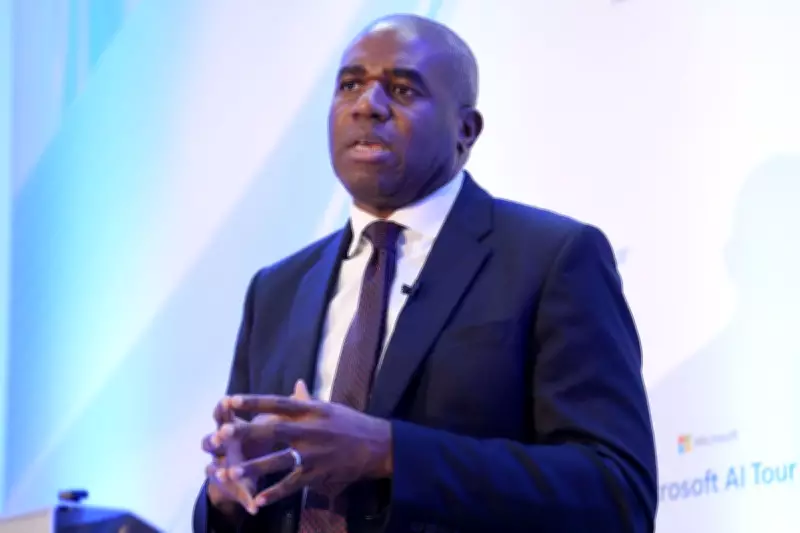
Deputy Prime Minister David Lammy has publicly criticised former US President Donald Trump's controversial demand to be involved in selecting Iran's next supreme leader, a move that risks exacerbating the ongoing Anglo-American rift over Iranian policy. Mr Lammy firmly stated that the choice of a successor to Ayatollah Ali Khamenei is "for the Iranian people to determine" and not within the purview of any foreign leader, including the American president.
Democratic Principles and International Diplomacy
When directly questioned about whether President Trump should have any influence over Ayatollah Khamenei's replacement, Mr Lammy emphasised fundamental democratic values. "If you believe in democracy, and we and the US are democratic countries, we believe it is for the Iranian people to determine who leads their country," he declared. Pressed further on whether this meant Trump clearly should not decide, Mr Lammy did not demur, simply stating, "I have answered the question."
The deputy prime minister also addressed Trump's recent jibe that Prime Minister Sir Keir Starmer was "no Churchill," by pointing out historical precedents of disagreement between British and American leaders. He noted that Winston Churchill himself disagreed with President Franklin D. Roosevelt during World War II regarding how to handle Soviet leader Joseph Stalin.

Historical Precedents of UK-US Disagreement
Mr Lammy elaborated on the long-standing tradition of allied nations maintaining independent viewpoints on international affairs, despite their "special relationship." He cited several historical examples to illustrate this point:
- The divergence between Churchill and Roosevelt over Stalin during World War II.
- Disagreements between 1960s Labour Prime Minister Harold Wilson and US President Lyndon B. Johnson concerning the Vietnam War.
- Differences between Prime Minister Margaret Thatcher and President Ronald Reagan regarding the Grenada invasion.
"Are there occasions when a UK prime minister and the US president have a different view about international affairs? Yes," Mr Lammy asserted, highlighting that such disagreements are not unprecedented.
Current Diplomatic Stance on Iran
The deputy prime minister confirmed that the current British government holds a different assessment from the Trump administration regarding offensive action against Iran. "We have had a different assessment on whether offensive action at this time should go ahead and therefore we have not played a role in that," he explained. He emphasised that the UK had refrained from participating in recent American attacks on Iran, "principally because of the legal basis."
Mr Lammy maintained that diplomacy had been "taking its course" in the US-Iran dispute prior to the American military actions. When interviewed by the BBC, he declined to disclose whether Sir Keir had directly informed President Trump that he believed the conflict lacked a clear objective, stating, "I know the answer but I cannot share it with you."
This firm stance underscores the UK's commitment to diplomatic resolutions and respect for national sovereignty, even as tensions simmer between the two traditional allies over Middle Eastern policy.