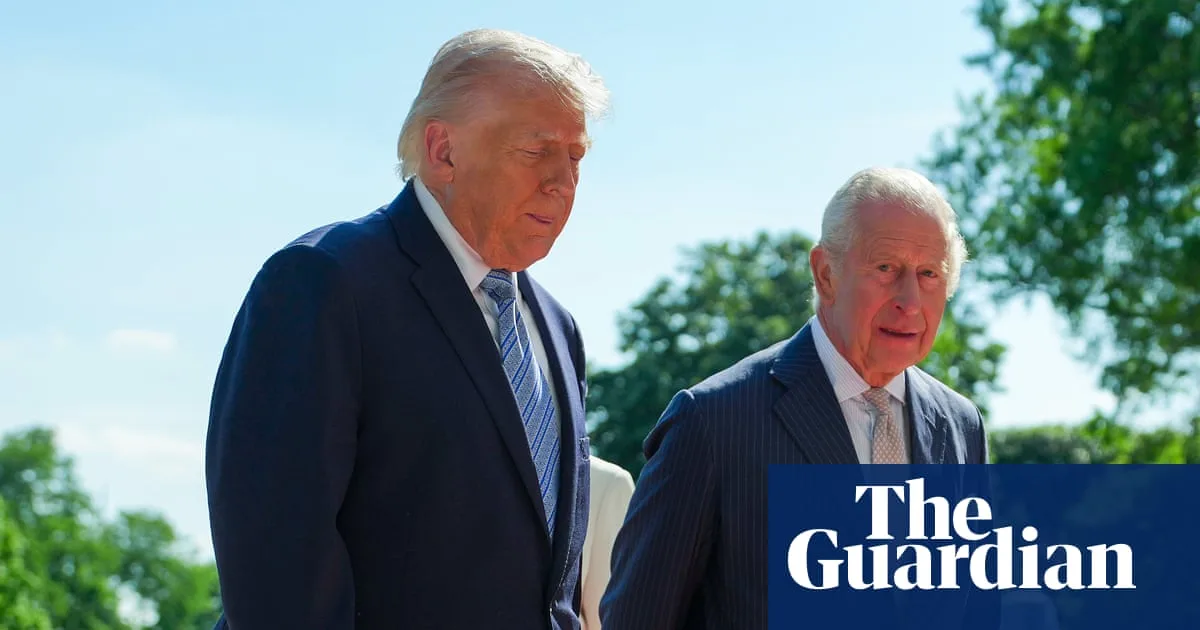
King Charles' US Visit in Doubt Amid Trump-Starmer Diplomatic Tensions
Liberal Democrat leader Ed Davey has called for King Charles to cancel his planned state visit to the United States, warning that proceeding would hand Donald Trump a significant diplomatic victory during a period of escalating tensions between Washington and London. This development follows Trump's recent criticism of the UK's response to the Middle East conflict, which has exposed a rift with Prime Minister Sir Keir Starmer over Britain's refusal to join American strikes on Iran.
Mounting Pressure Over US-UK Relations
Sir Keir Starmer is facing increasing scrutiny over Britain's relationship with the United States, with questions now emerging about the appropriateness of the King's visit. While Downing Street maintains that the alliance remains strong, the public disagreement has fueled doubts about the depth of the so-called special relationship. The visit is scheduled to coincide with celebrations marking the 250th anniversary of American independence, raising concerns about whether the timing is politically sensitive.
Arguments For and Against the Royal Visit
Opponents of the trip argue that it should not proceed, as it would provide Trump with the international spotlight he desires. One commentator noted that it is hard to see why this Royal visit should go ahead given the president's attacks on the UK government and his handling of the Iran conflict. They emphasize that the King must judge the mood of the country, warning that public support for the monarchy could wane if decisions appear misaligned with national sentiment.
Supporters of proceeding caution that cancelling could backfire, potentially provoking a negative reaction from Trump and escalating tensions further. They suggest the British government may feel compelled to continue with the visit to avoid a perceived snub that could worsen diplomatic strains.
Broader Implications for Diplomacy
The debate highlights broader issues in UK-US relations, with Davey's intervention underscoring the political risks involved. As tensions mount over foreign policy disagreements, the King's visit risks becoming entangled in a deepening political dispute, challenging the traditional diplomatic role of the monarchy. The outcome of this discussion could set a precedent for future state visits during periods of international discord.
With public opinion divided, the decision on whether to proceed with the visit remains uncertain, reflecting the complex interplay between royal protocol, national interest, and international diplomacy.