
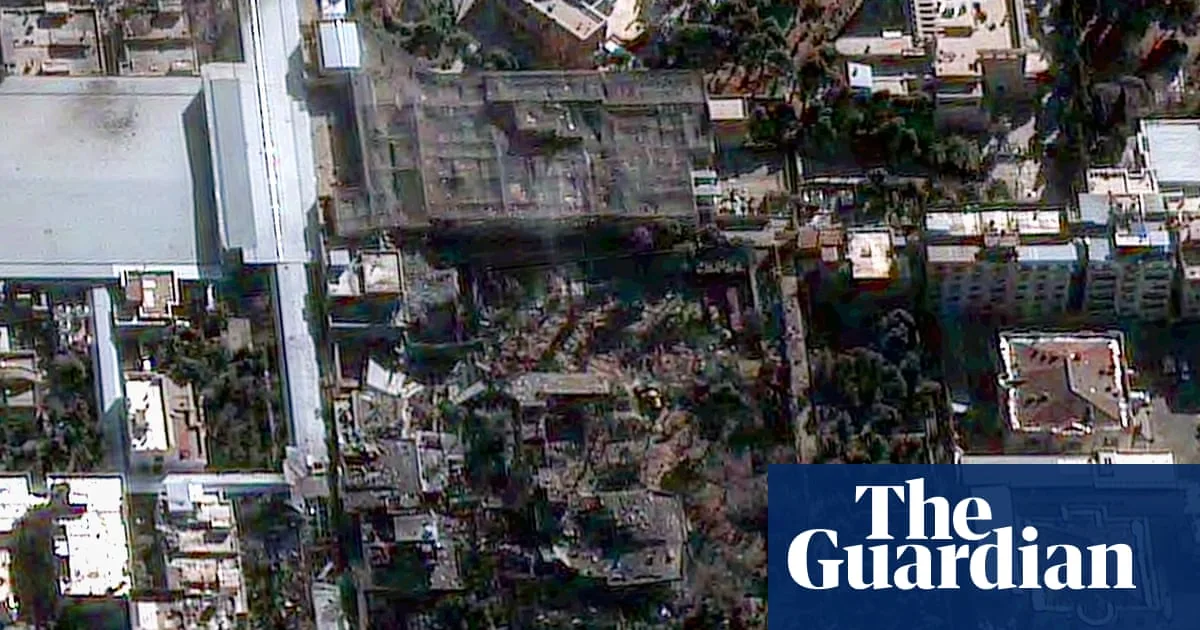
Iran's supreme leader, Ayatollah Ali Khamenei, was killed in a one-minute Israeli-US operation that decapitated the Iranian regime, military officials in Israel have confirmed. The strike, which took place over the weekend, also killed seven members of Iran's top security leadership, around a dozen family members and close aides, and 40 other senior officials in near-simultaneous attacks across Tehran.
The assassination was the result of decades of intelligence gathering by Israeli secret services, with crucial technological and manpower support from the CIA and other US agencies over the past six months. The timing was determined by CIA intelligence about a meeting of top Iranian officials at a leadership compound, including confirmation that Khamenei would be present.
However, some experts have warned that the killing could be a major strategic error. Yossi Melman, an Israeli analyst specialising in intelligence, said: 'Israel is in love with assassinations … and we never learn that it is not the solution. We have killed all the leaders of Hamas. They are still there. It's the same with Hezbollah. The leaders are always replaced.'
Israel has a long history of assassinations overseas, but this is the first time it has killed a head of state. Amos Yadlin, a former head of Israeli military intelligence, described the strike as a tactical and operational surprise, given expectations that an attack would come at night.
The Mossad has built deep networks of informants and agents in Iran over decades, enabling previous operations such as the assassination of a top nuclear scientist. A former CIA veteran noted that modern data collection means 'no one who doesn't leave some kind of trail', while Reuel Gerecht, a former CIA targeting officer, said US technology combined with Israeli ground networks amplified the operation's effectiveness.




