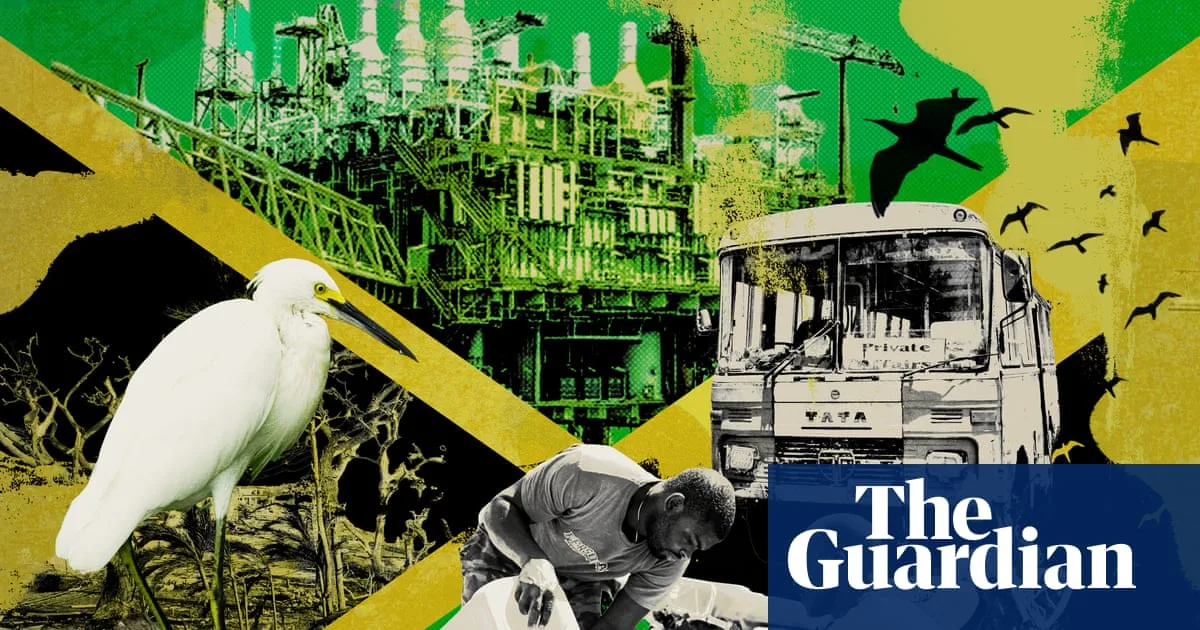
Jamaica is closer than ever to drilling for oil after tests on seabed samples off its south coast identified hydrocarbons, suggesting the presence of crude oil. The island currently imports all its fuel, costing $1.5-2bn annually, a persistent drag on an economy that earned $4.3bn from tourism in 2024.
UK-based United Oil & Gas holds an exclusive exploration licence for the Walton-Morant basin, a 22,400 sq km block off the southern coast. Energy Minister Daryl Vaz described the results as “very positive” but remained cautious, noting that no commercial discovery has yet been confirmed.
If oil is found, Jamaica would join Guyana and Suriname as new fossil fuel producers in the region, where half of Latin American and Caribbean countries are racing to find oil following Brazil’s deep-water discoveries in the 2000s. However, critics argue this contradicts Jamaica’s climate commitments, including its ratification of the Paris Agreement and its call for a fossil fuel non-proliferation treaty.
Theresa Rodriguez-Moodie of the Jamaica Environment Trust expressed astonishment that drilling is being considered after Hurricane Melissa caused $12bn in damage. “If we want to have any moral high ground to ask for climate assistance, we cannot be considering expanding the fossil fuel industry,” she said.
The Walton-Morant basin lies near protected areas like Portland Bight and Black River wetlands, where an oil spill could be catastrophic. Jamaica is also a signatory to the Escazú agreement, which requires transparent public discussion on such developments. Despite this, campaigners fear implementation gaps in environmental laws.
Radhika Bansal of Rystad Energy noted that even with a positive outcome, oil production would not be expected until the mid-2030s. The government faces a dilemma: balancing energy security and economic relief against its green pledges and vulnerability to climate impacts.