
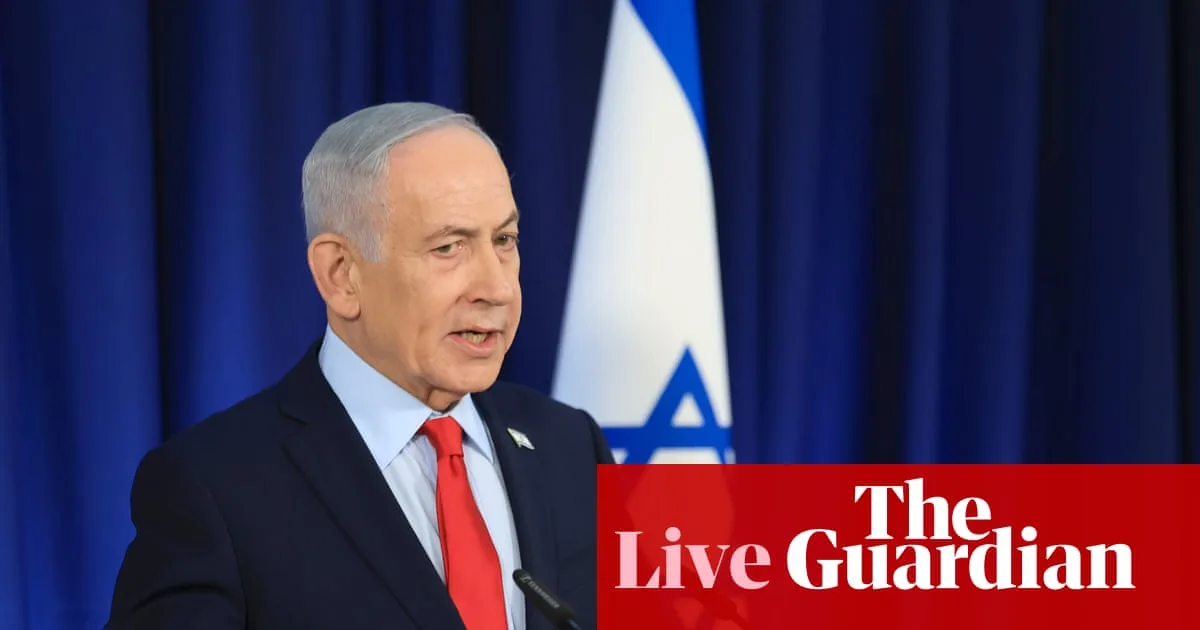
Israel has denied dragging the United States into war, but officials have confirmed that the attack on Iran's South Pars gasfield was coordinated with Washington. Three Israeli officials, speaking on condition of anonymity, told Reuters that the operation was carried out with US knowledge, contradicting Donald Trump's assertion that he knew nothing about it.
The US president said in a social media post that Washington “knew nothing about this particular attack” and that Israel would not strike the gas field again unless Iran attacked Qatar. Pentagon chief Pete Hegseth echoed that sentiment, saying, “We hold the cards” when asked whether Israel was pursuing its own objectives.
Oman's foreign minister, Badr Albusaidi, who mediated US-Iran talks, wrote in The Economist that a peace deal “appeared really possible” before Israel and America launched an “unlawful military strike” on 28 February. He blamed “Israel's leadership” for persuading Trump that an “unconditional surrender would swiftly follow” the initial assault.
The Guardian revealed that Britain's national security adviser, Jonathan Powell, attended the final round of US-Iran talks in Geneva and viewed Iran's proposals as “significant enough to prevent a rush to war”. Meanwhile, US Treasury secretary Scott Bessent said the administration may “unsanction” Iranian oil to keep prices down during the conflict.
An RT reporting team was wounded in southern Lebanon on Thursday when an Israeli airstrike struck metres from their position. Correspondent Steve Sweeney and cameraman Ali Rida alleged the attack was deliberate, as they were clearly identifiable as media wearing press insignia.




