
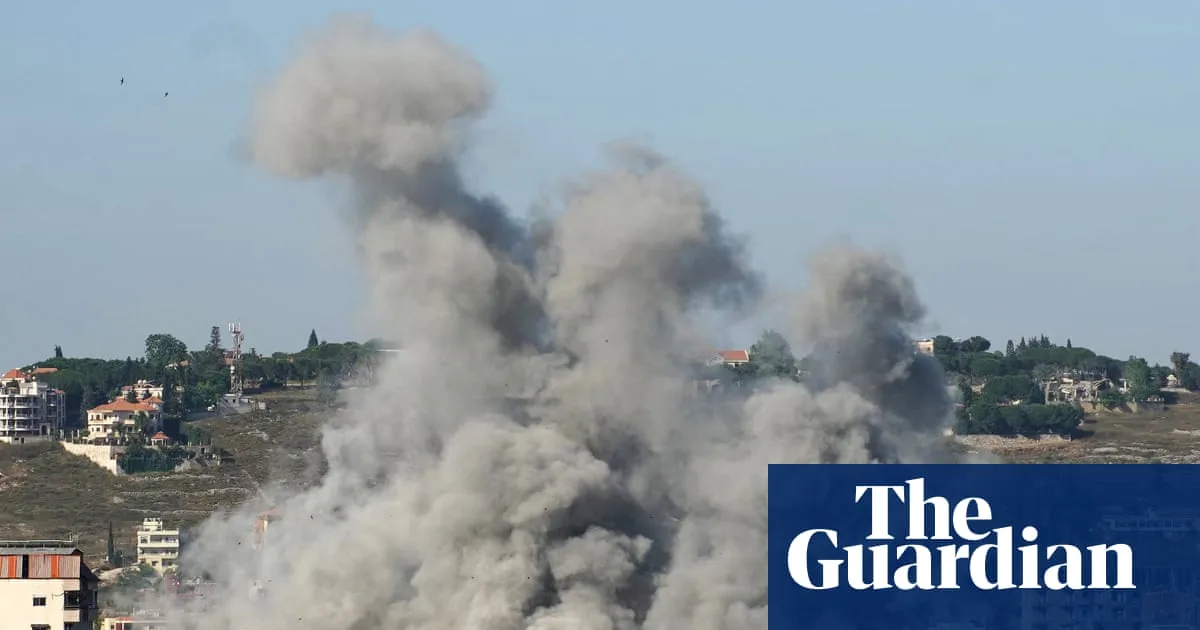
Iran has announced the closure of the Strait of Hormuz following Israeli airstrikes in Lebanon, a move that could jeopardise upcoming talks with the United States scheduled for Sunday. The Islamic Revolutionary Guard Corps warned ships to avoid the strategic waterway, which before the conflict carried a fifth of global oil and liquid gas supplies, citing Israeli actions in Lebanon and alleged US violations of ceasefire commitments.
It remains unclear whether the threat has been implemented or if it will affect the negotiations in Switzerland, which aim to expand the interim agreement signed this week into a comprehensive deal addressing Iran's nuclear programme. US President Donald Trump declared that no tolls would be imposed on ships transiting the strait during or after the 60-day interim ceasefire, but raised the possibility of tolls if negotiations fail.
US Central Command denied that the strait had been closed, stating that traffic continues to flow and that US forces are monitoring the situation. Vice-President JD Vance arrived in Switzerland on Sunday to participate in the talks, expressing hope for progress on both the nuclear issue and the Lebanon ceasefire. Pakistan, acting as a mediator, confirmed that the talks would proceed, and reports from Tehran indicated that a delegation of top officials had left Iran for the negotiations.
The ongoing hostilities in Lebanon between Hezbollah and Israel pose a significant challenge to the new deal. Israeli strikes on southern Lebanon on Saturday killed at least 16 people, according to local authorities, despite reports of a renewed ceasefire. The interim agreement calls for a cessation of hostilities on all fronts, including Lebanon, but has faced fierce criticism from Israeli officials who argue it hinders countering Hezbollah threats.
The Israeli military said it was striking Hezbollah targets in response to overnight projectile launches. Violence escalated after four Israeli soldiers were killed when a tank was hit by Hezbollah, which claimed the strike was retaliation for Israeli ceasefire violations. The subsequent Israeli attacks killed 83 people across southern Lebanon and the Bekaa valley. Hezbollah has stated it will abide by a ceasefire if Israel does, but has not confirmed that a ceasefire is in place.
The conflict between Hezbollah and Israel began after the US and Israel launched strikes on Iran in February, with Hezbollah firing rockets at northern Israel and Israel seizing parts of southern Lebanon. The continuing violence and diplomatic tensions have fuelled scepticism about a definitive end to a regional war that has killed at least 7,000 people.




