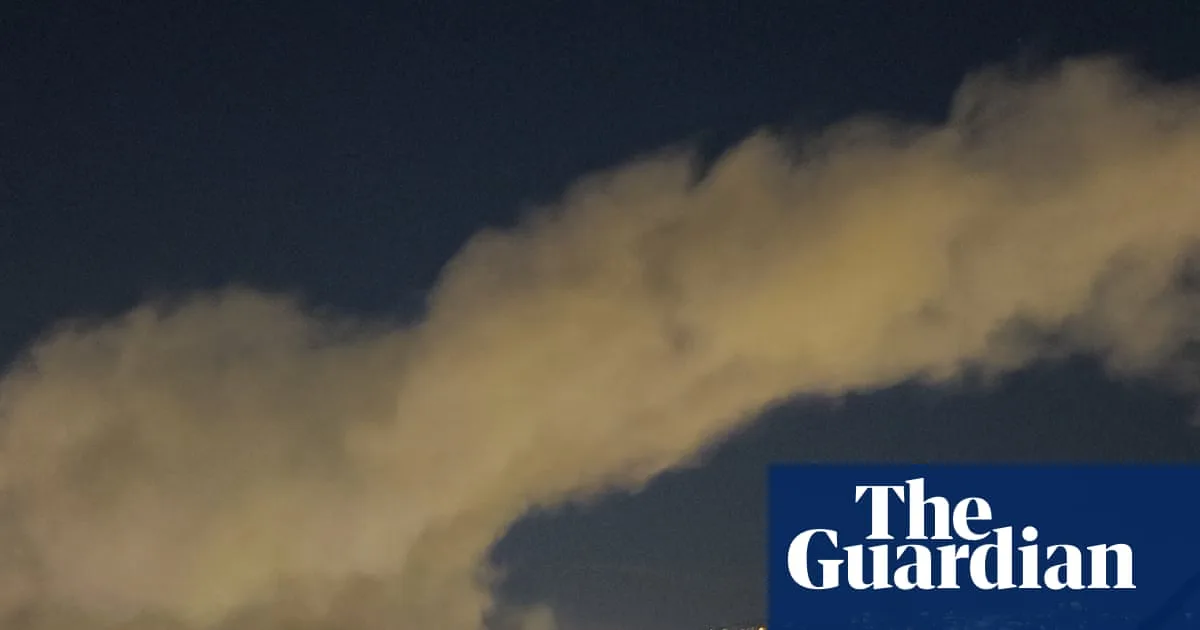
Israel launched heavy airstrikes on Hezbollah-dominated southern Beirut early Monday, hours after the Iran-backed group fired missiles and drones at Israel in retaliation for the killing of Iran's supreme leader, Ali Khamenei. The strikes hit three locations in south Lebanon's capital, with explosions heard miles away and buildings collapsing in villages near Tyre.
Lebanon's health ministry reported at least 31 killed and 149 injured in the strikes, a preliminary toll. The escalation marks the latest front in the US-Israeli conflict with Iran, which has expanded across the Middle East. Iran also struck an Aramco oil refinery in Saudi Arabia and a UK military base in Cyprus, the first Iranian attack on an EU state.
Hezbollah said it launched missiles and drones at the Mishmar al-Karmel missile defence facility near Haifa around midnight, in retaliation for Khamenei's killing and in defence of Lebanon. Israel responded by hitting Hezbollah targets across south Lebanon, the Bekaa valley, and the Beirut suburb of Dahieh, claiming to have killed several senior Hezbollah officers.
Israeli military chief Lt Gen Eyal Zamir warned: 'Hezbollah opened a campaign against Israel overnight and is fully responsible for any escalation.' Israel issued evacuation orders for 55 Lebanese villages and deployed 100,000 reservists, many along the Lebanon border. Lt Col Nadav Shoshani said troops had not yet entered Lebanon but were prepared to do so if necessary.
Thousands of residents fled Dahieh and Tyre, with highways gridlocked as people headed north. Videos showed buildings engulfed in flames and burnt-out cars. Witnesses reported rocket barrages from south Lebanon towards Israel. The conflict raises fears of a repeat of the 13-month war between Israel and Hezbollah in 2006.