A 10-day ceasefire between Israel and Lebanon has officially come into effect, temporarily halting intense fighting between Israeli forces and the Hezbollah militant group. This pause in hostilities follows a conflict that has resulted in the deaths of more than 2,100 Lebanese people and the displacement of over 2.1 million individuals from their homes.
Diplomatic Announcement and International Reactions
The agreement was announced by former US President Donald Trump, who revealed he had engaged in discussions with Israeli Prime Minister Benjamin Netanyahu and Lebanese President Joseph Aoun. Trump extended an invitation to both leaders for what he termed "meaningful talks" at the White House, a gesture that was welcomed by Netanyahu and Aoun.
However, both Israel and Hezbollah have explicitly maintained their right to defend themselves should the truce be broken. Prime Minister Netanyahu described the ceasefire as a "historic" opportunity for peace but firmly refused to withdraw Israeli troops from southern Lebanon during this period. He stated, "We are remaining in Lebanon in an expanded security zone due to the danger of an invasion and to prevent fire into Israel. That is where we are, and we are not leaving."

United Nations and Regional Warnings
United Nations Secretary-General António Guterres expressed his approval of the ceasefire, which took effect at midnight on Thursday local time in Lebanon. He urged all involved parties to fully respect the agreement and expressed hope that this halt in fighting would pave the way for productive negotiations towards a more lasting resolution.
Despite the truce, authorities have issued cautious warnings. The Lebanese army has advised displaced citizens against returning to their homes in southern Lebanon due to reports of intermittent shelling even after the ceasefire began. Similarly, the Israeli military has warned residents of southern Lebanon not to move south of the Litani River, highlighting ongoing security concerns.
International Diplomatic Efforts
Iran's foreign ministry spokesperson welcomed the ceasefire, noting that it aligns with aspects of the original Iran-US agreement that was brokered by Pakistan. In the hours leading up to the truce, exchanges of fire between Israel and Hezbollah continued, underscoring the fragile nature of the agreement.
On the global stage, the UK and France are set to chair a meeting involving approximately 40 countries on Friday. This gathering aims to signal to the United States that key allies are prepared to assist in restoring freedom of navigation in the Strait of Hormuz once conditions permit. France's defence minister highlighted that European nations like Belgium, the Netherlands, and France possess mine-clearance capabilities that could help secure safe passage through this critical waterway.
Economic and Regional Implications
The ceasefire has already begun to influence global markets. Asian stocks are positioned for a second consecutive week of strong gains, while oil prices remain below $100 per barrel as investors express optimism for a near-term resolution to the Middle East conflict.
Additionally, Turkey is hosting a diplomatic forum on Friday, bringing together the foreign ministers of Pakistan, Saudi Arabia, and Egypt. This meeting is part of Islamabad's ongoing efforts to leverage diplomacy in ending the broader regional tensions involving Iran.
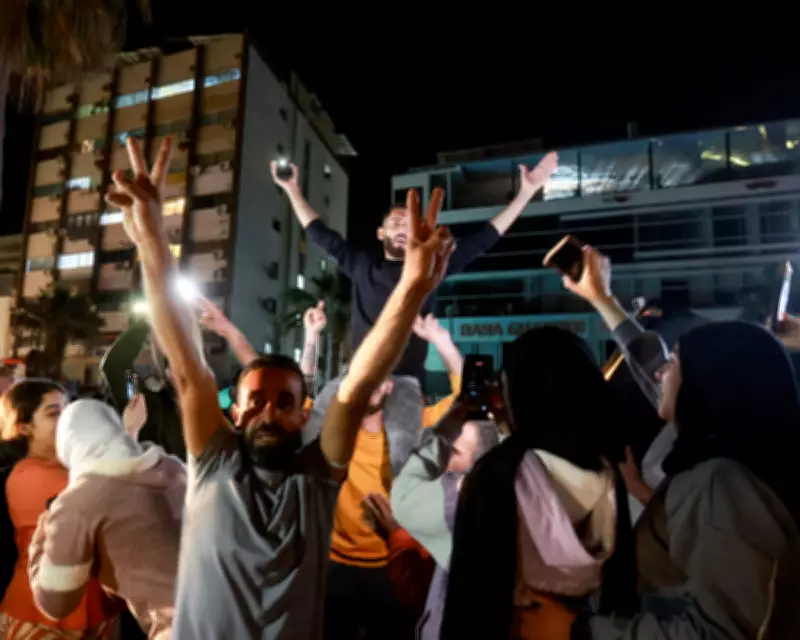
As displaced families in Beirut and other areas begin to pack their belongings in hopes of returning home, the international community watches closely, balancing hope for peace with the reality of a deeply entrenched and volatile situation.